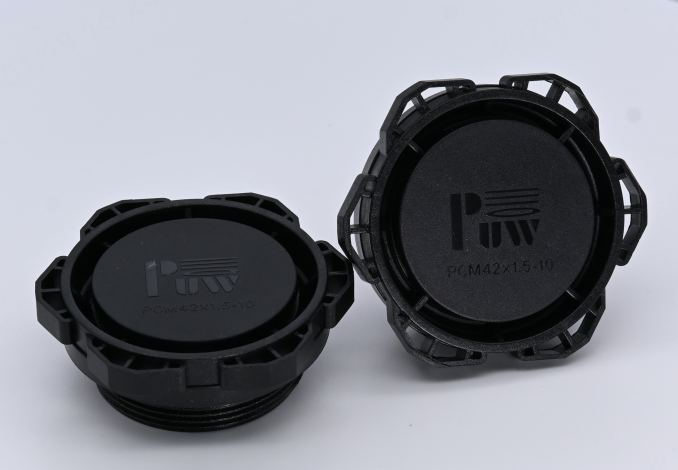
(1)Pressure Regulation
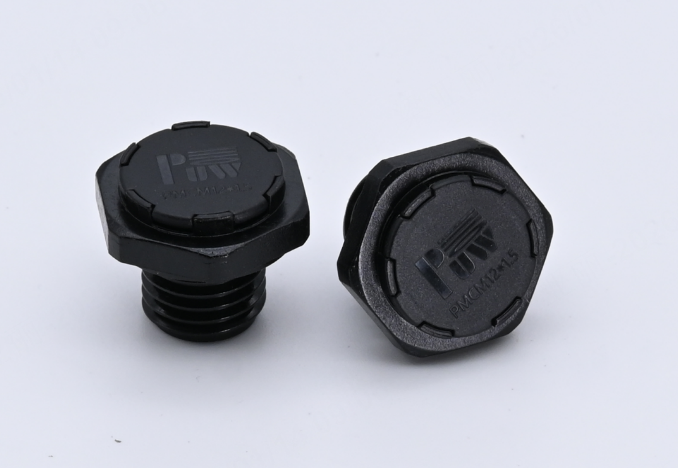
Temperature variations or internal chemical reactions can trigger pressure fluctuations in battery packs. A vent valve equalizes internal and external pressure, protecting the structural integrity of the housing.
(2)Moisture & Dust Protection
Premium IP67 Plastic Vent Valves utilize hydrophobic membranes to block water, dust, and contaminants while maintaining consistent breathability.
(3)Safety Assurance
Abnormal chemical reactions in EV battery systems may lead to gas accumulation. An Explosion-Proof Vent Valve or EV Battery Explosion-Proof Vent Valve releases built-up pressure in a controlled way, preventing enclosure deformation or explosion.
(1)Enhanced Battery Safety
Lithium batteries produce gas during overcharging, thermal runaway, or aging. A plastic vent valve enables safe gas venting while shielding the pack from external hazards.
(2)Longer Battery Life
Moisture and dust infiltration accelerate component corrosion and reduce insulation performance. A Corrosion-Resistant Vent Valve minimizes internal humidity and contamination, extending battery service life.
(3)Structural Stability
Without proper venting, pressure changes from charging/discharging temperature cycles can deform battery housings.
(4)Compliance With Industry Standards
Explosion-proof venting is a mandatory requirement in most regional safety standards for EVs and mobility systems.
| Valve Type | Key Use Case |
|---|---|
| IP67 Plastic Vent Valve | Outdoor battery systems requiring robust waterproof/dustproof protection |
| Waterproof Plastic Vent Valve | E-bikes, battery boxes, and scooters exposed to rain and water splashes |
| Corrosion-Resistant Vent Valve | Humid, salt-spray, or chemically aggressive environments |
| EV Battery Explosion-Proof Vent Valve | High-energy battery modules needing controlled pressure release to prevent rupture |
| General Plastic Vent Valve | Lightweight, cost-effective solution for consumer-grade battery devices |
・ Permits air exchange
・ Repels water (hydrophobic property)
・ Filters out dust and particulate matter
・ The membrane expands to open a vent pathway
・ Excess gas escapes safely to the outside
・ The enclosure returns to normal pressure levels
・ A rupture disk for emergency pressure release
・ Directional venting pathways to control gas flow
・ Reinforced housing to withstand pressure impacts
These features ensure gas is discharged safely and predictably during emergencies.
・ EV & PHEV Battery Packs: Protect battery modules, BMS units, and high-voltage junction boxes
・ E-Bike & E-Scooter Battery Packs: Prevent internal condensation and extend service life
・ Energy Storage Boxes & Power Batteries: Ensure safe, long-term cycling in outdoor installations
・ Smart Mobility Devices: E-motorcycles, mopeds, and delivery vehicles operating in variable conditions
・ Boosted safety performance and reduced thermal runaway risk
・ Reliable protection against water and dust intrusion
・ Extended lifespan of battery systems
・ Lower long-term maintenance costs
・ Enhanced operational reliability in harsh environments
 Hot News
2026-09-11
2026-09-01
2026-08-21
2026-08-13
2026-07-29
2026-06-17


 EN
EN