 EN
EN

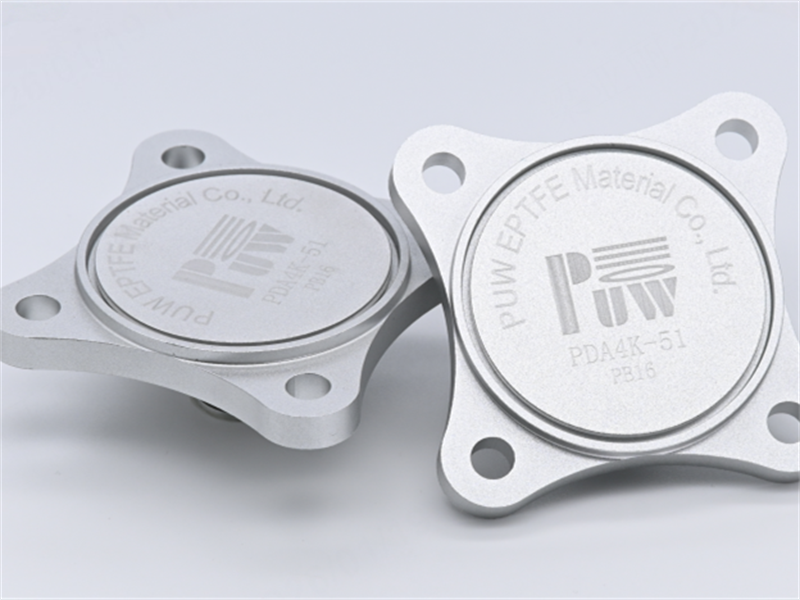
In industrial facilities with the presence of flammable gases, vapors or combustible dusts, it is important to pay attention to each component in contact with an enclosure. In addition to pressure relief, explosion-proof valves are also important for equipment and personnel protection to control pressure changes, eliminating internal sparks from reaching the surrounding atmosphere. In order to choose the correct valve to a particular hazard, it is important to understand the environment, enclosure design, and relevant safety standards. Established in 2010, PUW is a national high tech enterprise that has been working on the waterproof, breathable and explosion-proof valves to enable battery packs and other precise equipment to fulfill strict safety standards. This article describes the matching of explosion-proof valves to gas and dust explosion hazards.
Understanding the Difference Between Gas and Dust Hazards
Gas and dust explosions are different and so are the protective measures. Flammable gases and vapors can catch fire at extremely low levels and will frequently require an enclosed area, where no spark or flame can escape. Combustible dust hazards, however, involve accumulation and layer formation, as well as the possibility of a dust cloud forming during normal operations. A valve used for gas protection needs to be able to stop flames from advancing through a narrow gap and a dust-rated valve must also be dust-proof and not be affected by dust deposited on the valve surfaces. Each application is considered by PUW engineers to identify whether a gas, dust or both rating is necessary, and thus tailoring the solution to the real hazard.
Key Parameters for Matching Valves to Hazard Zones
Each hazardous area is classified into zones that reflect the probability and time of an explosive atmosphere. Zones 0 and 20 represent continuous or long-term hazards, while Zone 2 and 22 represent low-probability, short duration hazards. Explosion-proof valves must be certified for the zone in which they are to be used. In addition to zone classification, engineers take into account the ignition temperature of the gas or dust, the maximum experimental safe gap, and minimum ignition energy. They affect the dimensions of the flame path, the materials of construction and the sealing strategy. PUW's valves are engineered to have accurate flame paths and IP68 protection for reliable performance in gas and dust environments. These are important features that the company is constantly testing and validating in its CNAS-certified laboratory, and through a patent portfolio of over 200 patents.
Pressure Venting and Breathable Membrane Technology
Rapid pressure venting is one of the most critical valve's roles in an explosion-proof circuit. If an explosion happens inside, the valve has to release the pressure in the shortest time possible without letting the enclosure explode. At the same time, it must ensure that flames do not ignite the surrounding atmosphere. The valve, however, should be able to conduct airflow in and out normally during operation, or pressure differentials may be created that would adversely impact seals or electronics. The combination of these functions is accomplished by PUW's waterproof, breathable membrane and waterproof, breathable valve, which allow air exchange but block water and dust. This particular design is very useful for battery packs, outdoor LED fixture and control box applications where the temperature and pressure equalization are constantly changing. It also comes with IP68 waterproof capabilities, so water immersion won't affect the working of the valve.
Material Selection and Environmental Durability
The materials of an explosion-proof valve should be able to resist the chemicals, temperatures and mechanical forces of an installation location. In the case of gas hazards, stainless steel or aluminum housings can usually be used to give enough strength and corrosion resistance. For dust hazards, non-sparking materials and smooth surfaces also minimize the risk of ignition from friction or impact. UV resistance, salt spray resistance and broad operating temperature ranges are required for outdoor applications. The valves are manufactured by PUW in two production bases with total area of approximately 40,000 square meters in Jiangxi and Guangdong provinces, with a total of 22 production lines, which can provide customized and precision-engineered solutions. The company fulfills the requirements of the ISO 9001, IATF 16949 and ISO 14001 standards, which are the quality and environmental management standards that the global customers rely on.
Integration with Battery Packs and Electronic Enclosures
Battery packs are a special case: they can generate flammable gases during thermal runaway and are also susceptible to moisture and dust. The explosion-proof battery pack valve should be capable of venting gases quickly, while keeping the battery pack sealed during normal operation and prevent the flames from escaping. To ensure battery packs meet strict safety standards, PUW products include features such as fast pressure venting, IP68 protection, and more. The same guidelines apply to sensors, outdoor electrical devices, solar energy systems, household electronics, portable electronics, telecommunication devices, tools, disk drive filters, pharmaceuticals, and auto electronics. By working closely with customers, PUW ensures that each valve is matched to the specific gas or dust hazard and the enclosure's unique requirements.
Testing, Certification, and Long-Term Reliability
Without testing and certification, matching a valve to a hazard is not done. Flame propagation, pressure resistance, ingress protection, and thermal cycling are examples of performance characteristics to be tested in explosion-proof valves. PUW's dedicated research and development team and CNAS-certified laboratory perform these evaluations, supported by more than 200 patents. There are also four service centers in China and Germany, respectively, where the respective country's nationals work to provide local services for installation, maintenance, and troubleshooting. A flexible supply chain, intelligent inventory management, and a skilled customer service team guarantee timely delivery, while a professional team resolves customer issues regarding regulatory requirements and applications—providing the best valve for the job. PUW is a trusted partner in the field of explosion-proof valves, and has made deep cooperation with many well-known enterprises.
Conclusion
The selection of explosion-proof valves to gas and dust explosion hazards is a systematic process, which should take into account the zone classification, ignition parameters, pressure venting, material strength, and certification. The range of waterproof, breathable and explosion-proof valve technologies developed by PUW will offer ample resources to help overcome these challenges across industries. When engineers know the specific hazard, and the operational requirements of the enclosure, it is possible to choose a valve that will safeguard the equipment, prolong the service life, and meet international safety standards. Organizations that need a solution that they can rely on can count on PUW to provide them with the infrastructure, innovation, and support to meet full customer satisfaction.
Table of Contents
- Understanding the Difference Between Gas and Dust Hazards
- Key Parameters for Matching Valves to Hazard Zones
- Pressure Venting and Breathable Membrane Technology
- Material Selection and Environmental Durability
- Integration with Battery Packs and Electronic Enclosures
- Testing, Certification, and Long-Term Reliability
- Conclusion

