 EN
EN

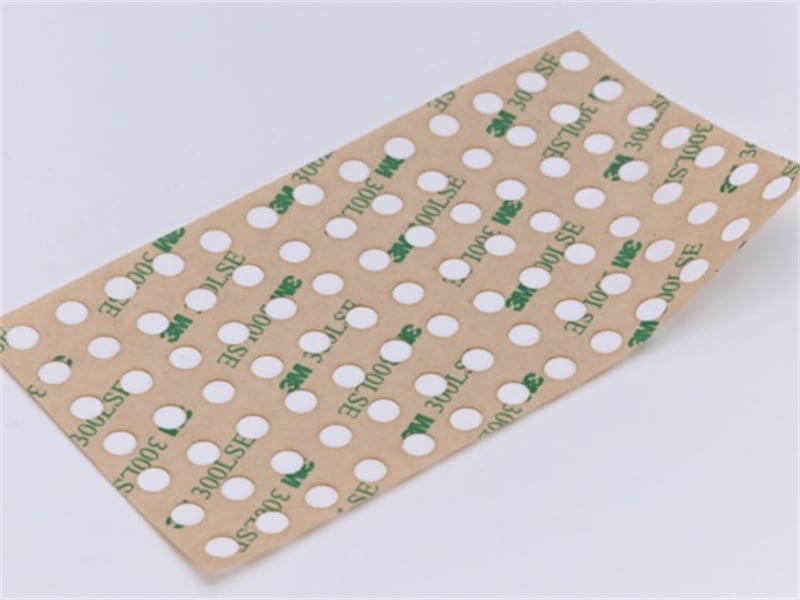
The waterproof, breathable membrane is a vital part of advanced electronic and industrial devices. They will let water vapor and air flow through, but will prevent liquid water and dust from passing through. However, these membranes require a very specific way of attachment to the enclosure, and if not, the performance of these membranes will be greatly compromised. One of the most frequent bonding processes is adhesive lamination, and it is critical that the process is performed well so that reliability, durability and safety are ensured. PUW, a national high-tech enterprise founded in 2010, has spent years researching how adhesive lamination affects membrane performance in real-world applications.
The Role of Adhesive Lamination in Membrane Integration
Adhesive lamination is the process of applying a pressure-sensitive adhesive layer to a housing or vent, and then attaching a waterproof, breathable membrane to this adhesive. This needs to be a continuous seal around the perimeter of the membrane. Poor adhesion means that water and dust can pass through the membrane completely. In battery packs, outdoor LED lighting, and automotive electronics, a speck of air can prove to be the difference between success and failure. The thickness of the adhesive layer, curing condition and lamination pressure can be precisely controlled by the constant production lines and two major production bases of PUW.
Key Performance Factors Affected by Adhesive Quality
Adhesive lamination is related to several membrane performance characteristics. The first is that the waterproof integrity is reliant on the adhesive making a leak-free barrier. If the bond is poor, the protection level can be drastically downgraded from IP68. Secondly, if the adhesive enters the porous structure of the membrane during lamination, the breathability can be affected. This blockage will not allow release of pressure and will lead to failure of seals under pressure changes. Third, the chemical resistance is impacted by the fact that some adhesives may lose strength if exposed to oils, fuels or cleaning agents. Fourth, temperature stability is important because adhesives become soft with high temperatures and cold brittle with low temperatures, which may lead to delamination. These factors are carefully tested in PUW's CNAS-certified laboratory, which has been backed by over 200 patents.
How PUW Optimizes Adhesive Lamination
PUW takes a systematic approach to adhesive lamination. Whether it's a sensor, solar energy system, or portable electronic device, we choose the right adhesive. Adhesives that remain elastic over a wide temperature range are used for explosion-proof valves and waterproof, breathable valves. We have smart inventory management and flexible supply chain, which guarantees adhesive quality from batch to batch. Lamination pressure, dwell time and curing temperature are monitored during production. Following lamination, all membrane assemblies are leak tested and airflow-checked. This method is used to ensure our products meet ISO 9001, IATF 16949, and ISO 14001 standards.
Common Lamination Defects and Their Consequences
The smallest defects in the lamination can be a big trouble. Water can be trapped under the adhesive, creating pathways for moisture ingress. Seal-out of adhesive can prevent pores in membrane from opening and/or slow venting rate. Incomplete curing results in weak bonds which can break under vibration or thermal cycling. In battery packs, the failure of the membrane may lead to pressure build-up and safety issues. In the case of outdoor electronic equipment, penetration may result in corrosion and short circuits. PUW solves these issues with automation, expert operators, and ongoing process optimization. Field applications are reported to four service centers within China and Germany for speedy feedback.
Conclusion
Adhesive lamination is no simple manufacturing process. It is the key to whether a waterproof breathable membrane will fulfill its design, or it will fail early. Lamination parameters and the selection of the adhesive are strictly controlled and material quality is checked by PUW to guarantee long-term durability, fast pressure venting and reliable IP68 protection for membranes. Many of the world's best-known companies rely on PUW as their trusted partner to further develop adhesive lamination technology for sensors, battery packs, telecommunication components, automotive electronics, and much more.

