 EN

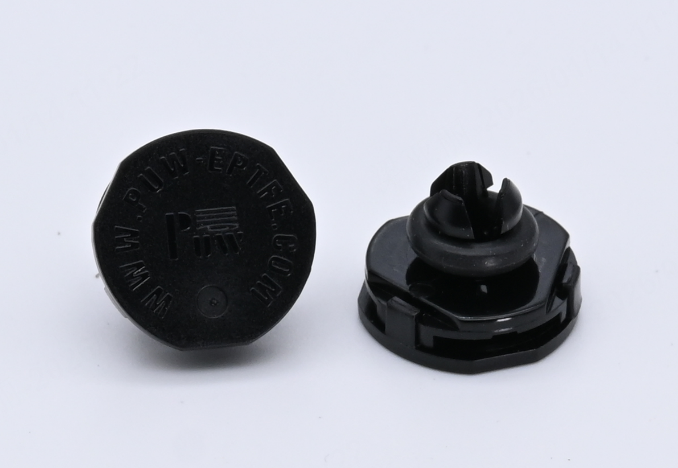
Understanding the role of thermal vent components in enclosures is crucial for ensuring product reliability and safety, particularly in manufacturing and industrial contexts. These components help manage internal temperatures and pressures, preventing potential failures and enhancing overall performance. , we will explore essential thermal vent components, guide you on how to choose the right ones for your specific needs, and provide insights into evaluating quality and installation best practices. This information is particularly valuable for purchasing managers, engineers, and product managers looking to make informed decisions.
What Are the Essential Thermal Vent Components for Enclosures?
Thermal vent components are critical for managing the internal environment of enclosures, particularly those used in industrial applications. The primary components include:
Vents: These allow for the exchange of air, helping to regulate temperature and pressure. They come in various designs, including passive vents that rely on natural airflow and active vent membrane equipped with fans to enhance air circulation.
Filters: Integrated filters prevent contaminants such as dust and moisture from entering the enclosure while allowing air to flow freely. This is particularly important in environments where sensitive electronic components are housed.
Seals: Seals are crucial for maintaining the integrity of the enclosure. They prevent dust, moisture, and gases from infiltrating while allowing for necessary airflow. The choice of sealing material can significantly impact performance.
Pressure Relief Valves: These components release excess pressure that may build up inside an enclosure, protecting it from damage. They are essential in applications where temperature fluctuations can cause pressure changes.
Thermal Insulation: While not a vent component per se, insulation materials can be part of the enclosure design to control thermal transfer. This is especially relevant in environments with extreme temperature variations.
Understanding these components will help you select the right thermal vent solutions for your enclosures.
How to Choose the Right Thermal Vent Components for Your Needs
Selecting the appropriate thermal vent components involves several considerations. Start by assessing the specific requirements of your application:
Application Environment: Consider the environmental conditions the enclosure will face. For instance, if the enclosure is exposed to high humidity or particulate matter, you may need vents with robust filtration systems.
Temperature Range: Identify the temperature and pressure conditions the enclosure will experience. This will guide your choice of vent types and materials. For extreme conditions, consider components that can withstand high temperatures and pressures without degrading.
Airflow Requirements: Determine the airflow needs based on the heat generated by the internal components. Active vents may be necessary for applications with high thermal loads, while passive vents may suffice for less demanding situations.
Compliance and Standards: Ensure that the selected components comply with relevant industry standards and regulations. This can include certifications for fire safety, explosion-proof designs, and environmental compliance.
Customization Needs: Depending on your application, you may require custom vent solutions. Work with manufacturers who can provide tailored designs that meet your specific requirements.
By considering these factors, you can select thermal vent components that will enhance the performance and longevity of your enclosures.
Key Specifications to Consider for Thermal Vent Components
When evaluating thermal vent components, several key specifications should be taken into account:
Material Selection: The materials used in thermal vents must be compatible with the operating environment. For example, corrosion-resistant materials are essential in humid or chemically aggressive settings, while high-temperature plastics or metals may be required in heat-intensive applications.
Size and Dimensions: Proper sizing is crucial for ensuring adequate airflow and maintaining structural integrity. Confirm the dimensions of vents and seals against the enclosure specifications to avoid installation issues.
Flow Rate: This specification indicates the amount of air that can pass through the automotive vents. It should align with the thermal management needs of your application. Too low a flow rate may lead to overheating, while too high could compromise the enclosure’s integrity.
Sealing Properties: Assess the sealing effectiveness of the vents and the materials used. This is particularly important for maintaining the desired environmental conditions inside the enclosure.
Operating Pressure and Temperature Ratings: Ensure that the components can handle the expected pressure and temperature ranges without failure. This includes checking manufacturer specifications and seeking guidance on performance under specific conditions.
By focusing on these specifications, you can ensure that the selected thermal vent components will perform reliably in your applications.
Evaluating the Quality of Thermal Vent Components for Enclosures
Quality evaluation of thermal vent components is essential for preventing failures and ensuring longevity. Here are some practical steps to assess quality:
Supplier Reputation: Research suppliers and manufacturers to understand their reputation in the industry. Look for feedback from other B2B buyers, especially those in similar applications, to gauge reliability.
Material Certifications: Verify that the materials used in the components meet relevant industry standards and certifications. This can include ISO certifications, material safety data sheets, and compliance with specific regulatory requirements.
Quality Control Processes: Inquire about the manufacturer’s quality control processes. A solid quality assurance program should include material inspections, performance testing, and final product evaluations before shipment.
Sample Testing: Request samples of the thermal vent components for testing under actual operating conditions. This helps confirm performance against specifications and ensures compatibility with your enclosure design.
Warranty and Support: Evaluate the warranty offered by the manufacturer. A strong warranty indicates confidence in product quality and provides peace of mind in case of defects.
By implementing these evaluation steps, you can select high-quality thermal vent components that minimize risks and enhance operational reliability.
Best Practices for Installing Thermal Vent Components in Enclosures
Proper installation of thermal vent components is key to achieving optimal performance. Here are best practices to follow:
Follow Manufacturer Guidelines: Always adhere to the installation instructions provided by the manufacturer. This includes specifications for mounting, sealing, and any necessary adjustments.
Pre-Installation Inspection: Before installation, inspect all components for any damage or defects. This includes checking for proper sealing and ensuring that vents are free from debris.
Proper Alignment: Ensure that vent relief valve and seals are correctly aligned with the enclosure’s design. Misalignment can lead to air leaks and reduced effectiveness.
Use Appropriate Tools: Utilize the right tools for installation to avoid damaging components. This includes using torque wrenches for screws and ensuring that seals are not pinched during assembly.
Test After Installation: After installation, conduct tests to verify that airflow is adequate and that there are no leaks. This can involve using smoke tests or pressure gauges to confirm operational integrity.
By following these best practices, you can maximize the performance and reliability of thermal vent components in your enclosures.
Table of Contents
- What Are the Essential Thermal Vent Components for Enclosures?
- How to Choose the Right Thermal Vent Components for Your Needs
- Key Specifications to Consider for Thermal Vent Components
- Evaluating the Quality of Thermal Vent Components for Enclosures
- Best Practices for Installing Thermal Vent Components in Enclosures

