 EN
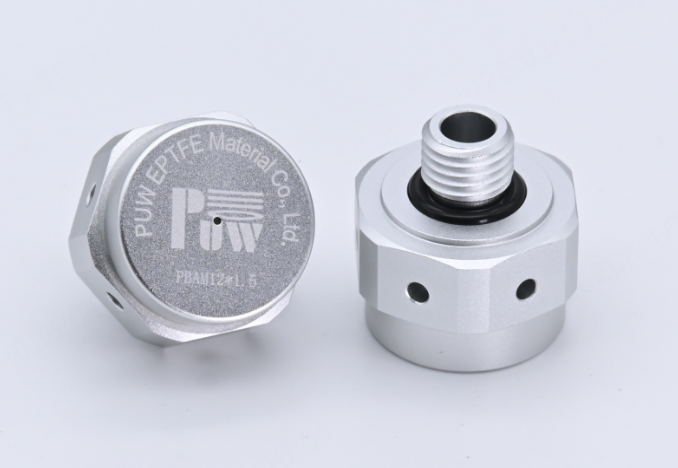
Industrial systems often operate under high pressures, which can lead to dangerous situations if not properly managed. A pressure relief device (PRD) is a critical component that ensures safety by preventing overpressure conditions. Understanding why industrial systems require a pressure relief device is essential for B2B buyers, including purchasing managers and engineers, who must prioritize safety, compliance, and operational efficiency. This article will explore the necessity of PRDs, guide you on choosing the right device, highlight sourcing options, discuss cost factors, and provide installation guidance.
Why Pressure Relief Devices Are Essential for Industrial Systems
Pressure relief devices are designed to protect equipment, personnel, and the environment from the hazards associated with excessive pressure. In industrial settings, systems such as boilers, pipelines, and reactors can experience sudden pressure spikes due to various factors, including thermal expansion, chemical reactions, or equipment malfunction. Without a PRD, these conditions could result in catastrophic failures, including explosions or equipment rupture.
The primary function of a pressure relief device is to automatically release excess pressure, thus maintaining safe operating conditions. Regulatory standards often mandate the installation of PRDs in certain applications, making compliance a key concern for purchasing managers. By understanding the specific requirements for your industry be it manufacturing, oil and gas, or chemical processing you can ensure your systems are equipped with the appropriate safety measures.
How to Choose the Right Pressure Relief Device for Your Needs
Selecting the right pressure relief device involves several critical considerations. First, assess the system's operational parameters, including maximum allowable working pressure (MAWP), temperature, and medium type. The PRD must be rated to handle these conditions to ensure effective performance.
Next, consider the device type common options include spring-loaded relief valves, rupture disks, and pilot-operated valves. Each type has its advantages and applications. For example, spring-loaded valves are often used in liquid service, while rupture disks are ideal for high-speed venting in gas applications.
Material selection is another vital aspect. The PRD must be compatible with the media it will handle to prevent corrosion or degradation. Common materials include stainless steel for corrosive environments and carbon steel for less aggressive applications.
Finally, verify the manufacturer’s certifications and quality control processes. Choosing a PRD from a reputable manufacturer like PUW, known for their expertise in producing explosion-proof valves, can provide confidence in the reliability and safety of the product.
Where to Source High-Quality Pressure Relief Devices Wholesale
When sourcing hydraulic pressure relief valve, it’s crucial to find a reliable supplier that offers quality products and competitive pricing. Look for manufacturers that specialize in industrial safety equipment and have a proven track record.
Wholesale suppliers often provide bulk pricing, which can significantly reduce costs. Establish a relationship with suppliers who can offer customization options, as different applications may require tailored solutions.
Additionally, consider suppliers with strong customer service and support. They should be able to assist with technical specifications, provide samples for testing, and offer guidance on installation and maintenance.
Online platforms and trade shows can also be valuable resources for finding suppliers. These venues allow you to compare products, engage with manufacturers, and gather insights from industry peers.
Cost Factors to Consider When Purchasing Pressure Relief Devices
The cost of pressure relief devices can vary based on several factors. Initially, the type of device plays a significant role in pricing; for instance, spring-loaded valves may be less expensive than pilot-operated valves due to their simpler design.
Material choice also impacts cost. High-performance materials designed for corrosive environments or high temperatures will typically come with a higher price tag.
Customization can further influence pricing. If your application requires specific dimensions or features, be prepared for additional costs associated with custom manufacturing.
Moreover, consider the total cost of ownership, which includes installation, maintenance, and potential downtime. Investing in a high-quality PRD may result in lower long-term costs due to reduced failure rates and enhanced safety, ultimately saving money for your organization.
Installation Guidance for Effective Pressure Relief Device Use
Proper installation is crucial for the effective operation of pressure relief devices. Begin by reviewing the manufacturer's installation guidelines and ensuring that the device is suitable for the intended application. Key installation considerations include:
Location: Install the PRD in a location that allows for unobstructed venting. Ensure there are no obstructions that could hinder the device's operation.
Orientation: The orientation of the device can affect performance. For example, spring-loaded relief valves should be installed in a vertical position unless otherwise specified by the manufacturer.
Piping: Use appropriate piping and fittings that can handle the expected pressure and temperature. Ensure that all connections are secure and leak-proof.
Testing: After installation, conduct a thorough test to confirm that the PRD operates correctly under expected conditions. This step is vital to verify that the device will function as intended in an emergency.
Regular Maintenance: Establish a routine inspection and maintenance schedule. Regular checks can help identify wear and tear, ensuring the PRD operates reliably over time.
By paying attention to these details during installation, you can enhance the safety and reliability of your industrial systems, ensuring compliance with regulatory standards and protecting personnel and equipment.
Understanding the importance of pressure relief device and following best practices for selection, sourcing, and installation can significantly mitigate risks associated with overpressure scenarios in industrial systems.
Table of Contents
- Why Pressure Relief Devices Are Essential for Industrial Systems
- How to Choose the Right Pressure Relief Device for Your Needs
- Where to Source High-Quality Pressure Relief Devices Wholesale
- Cost Factors to Consider When Purchasing Pressure Relief Devices
- Installation Guidance for Effective Pressure Relief Device Use

