 EN
EN
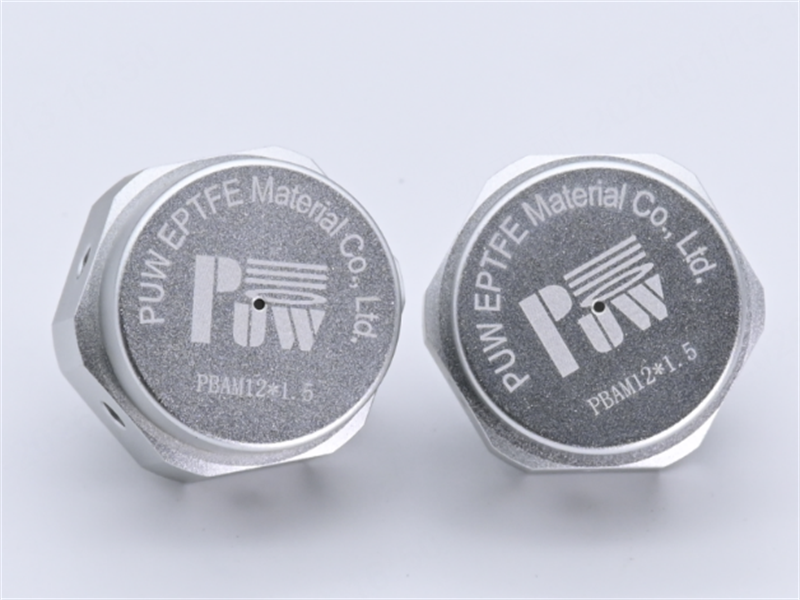
One of the most critical choices that engineers must make when working with equipment and process media that come in contact with corrosive and explosive substances is the type of valve material required. A good valve under mild conditions can easily be destroyed under conditions of strong chemical attack, sharp pressure changes, or explosive gases. Corrosion and explosion protection are not a luxury for batteries, outdoor lighting or automotive electronics, just some of the many applications that require both. It's an essential safety measure. A national high-tech enterprise that was established in 2010, PUW has been working on waterproof, breathable and explosion proof valves that have been specifically designed to solve these issues for years.
Why Material Selection Matters in Harsh Environments
Chemical attack by corrosive media can cause the valve body, seals and membranes to degrade, increasing the risk of leaks, pressure loss and potential safety issues. Even a small spark or structural failure can cause disastrous events to happen in explosive atmospheres. The chosen material should subsequently be resistant to corrosion and should maintain its mechanical strength and sealing power. Each choice of materials-stainless steel, engineering plastics, and specialty alloys-has its own set of advantages and disadvantages. The best selection depends on the chemical composition, temperature and pressure in the application.
Key Properties for Explosion Proof Valves
Explosive proof valves must vent pressure rapidly while preventing a flame or spark from escaping, this can mean pressure spikes and thermal cycling issues. 68 is only a minimum rating and is a guarantee that the valve is dust and water tight, the materials used must not suffer embrittlement or fatigue after thousands of venting cycles. PUW's explosive proof valves use a combination of precision engineered parts that can meet the challenges this entails.
Corrosion Resistance Across Diverse Media
Various process media require various material strategies. Heavy duty stainless steel or special polymer seals may be needed in solutions that are acidic or alkaline. Some elastomers are susceptible to being attacked by solvents and fuels, resulting in swelling and loss of sealing properties. Especially for battery packs, electrolytes are very corrosive and cause corrosion of ordinary metals. PUW's waterproof, breathable membranes and valves are designed to withstand these chemical exposures and keep airflow and pressure equalization constant.
Balancing Breathability and Sealing Performance
To balance air pressure in many modern enclosures, the enclosure must allow air to pass in and out while blocking water and unwanted elements. In this place, waterproof breathable valves and membranes come in handy. The material should be permeable to air and vapor but impermeable to liquid water and dust. In corrosive or explosive environments, the membrane material should be resistant to chemical degradation as well. PUW is using its CNAS-certified laboratory and over 200 patents to ensure that these performance characteristics are tested and validated in real world conditions.
Quality Standards and Global Compliance
The material selection is inseparably linked to quality management. Every valve and membrane is manufactured to internationally accepted quality and environmental standards—ISO 9001, IATF 16949 and ISO 14001. PUW has two production bases of approximately 40,000 square meters in Jiangxi and Guangdong, and has service centers in China and Germany to provide customized precision engineered solutions for global customers. The company's products are used in various sectors such as sensors, outdoor lighting (LED), control boxes, battery packs, solar systems, telecommunications equipment, and automotive electronics.
Practical Guidelines for Engineers
The first step in choosing a valve for corrosive and explosive media is to determine the chemical compatibility of all wetted parts. They should then check pressure and temperature levels, verify IP68 or higher ingress protection and check explosion proof certifications. Lastly, they should take the durability and availability of their selected materials into account. An experienced partner such as PUW can help make this process easier, provide a flexible supply chain to fulfill particular application requirements and provide dedicated research and development assistance.
Finally, the selection of valve materials for corrosive and explosive process media needs to balance opposing properties of chemical resistance, mechanical strength, and safety. With the right materials and a reliable manufacturer, engineers can ensure that their equipment is protected, lasts longer, and meets industry standards.

