 EN
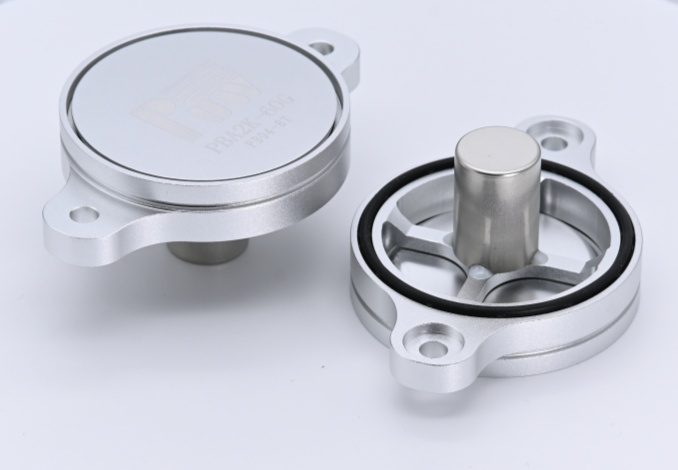
Pressure relief devices are essential safety components in industrial applications, designed to prevent enclosure overpressure by allowing excess pressure to safely escape. Understanding how a pressure relief device prevents enclosure overpressure is crucial for B2B buyers, including purchasing managers and engineers, who need to ensure safety and compliance in their operations. This article will cover the significance of pressure relief devices, how to select the right one for specific applications, key specifications to consider, common overpressure issues, and installation guidelines, helping professionals make informed decisions regarding their safety equipment.
How Pressure Relief Devices Enhance Safety in Industrial Enclosures
Pressure relief devices (PRDs) play a vital role in safeguarding industrial enclosures from dangerous overpressure situations. When pressure builds up within an enclosure due to thermal expansion, chemical reactions, or equipment malfunction, PRDs act as the first line of defense. By venting excess pressure, they help prevent catastrophic failures such as ruptures or explosions, which can result in severe injuries, property damage, or environmental hazards.
In addition to physical safety, utilizing pressure relief device also ensures compliance with industry regulations and standards, which often mandate specific safety measures for pressure-containing systems. By implementing effective pressure relief solutions, companies not only protect their employees and assets but also enhance their reputation as responsible operators in their respective markets.
Choosing the Right Pressure Relief Device for Your Application Needs
Selecting the appropriate pressure relief device requires a thorough understanding of the specific application and its requirements. Key factors to consider include:
Operating Pressure: Determine the maximum allowable working pressure (MAWP) of your system. The PRD must be capable of venting pressure effectively without exceeding this threshold.
Type of Pressure Relief Device: There are various types of PRDs, such as safety valves, rupture discs, and venting systems. Each type has its advantages and suitability based on the nature of the enclosure and the type of pressure it may experience.
Environmental Conditions: Assess the operating environment, including temperature, humidity, and potential exposure to corrosive substances. This will influence material selection and the design of the PRD.
Flow Capacity: Calculate the required flow capacity to ensure that the device can adequately relieve pressure during a potential overpressure scenario. This often involves consulting manufacturer data sheets and industry standards.
Customization: Some applications may require customized solutions tailored to specific operational needs. Engaging with a manufacturer that offers customization capabilities ensures that the PRD will meet all necessary specifications.
Key Specifications to Consider When Sourcing Pressure Relief Devices
When sourcing electric relief valve, several specifications are critical to ensure optimal performance and safety:
Set Pressure: This is the pressure level at which the device will activate. It's essential to choose a set pressure that aligns with the system's operational limits.
Material: The material of the PRD should be compatible with the fluids or gases it will encounter. Common materials include stainless steel, brass, and special alloys for corrosive environments.
Size and Connection Type: Ensure that the PRD's size and connection type match your system's piping and fittings. Proper sizing helps maintain flow efficiency.
Testing Standards: Verify that the PRD complies with relevant industry standards and certifications, such as ASME or API. This ensures that the device has undergone rigorous testing for safety and performance.
Maintenance Requirements: Consider the maintenance needs of the device, including inspection intervals and ease of access for servicing. A well-maintained PRD is crucial for reliable operation.
Common Problems with Enclosure Overpressure and Effective Solutions
Enclosure overpressure can lead to serious operational issues, including damage to equipment, safety hazards, and environmental incidents. Common problems associated with overpressure include:
Equipment Damage: Excessive pressure can cause mechanical failure in pumps, valves, and other critical components, leading to costly repairs and downtime.
Safety Hazards: Overpressure situations can compromise worker safety, increasing the risk of accidents and injuries.
Environmental Impact: In cases where hazardous materials are involved, pressure build-up can result in leaks or spills, posing significant environmental threats.
Effective Solutions:
Regular Monitoring: Implement continuous pressure monitoring systems to detect abnormal pressure increases before they reach critical levels.
Routine Maintenance: Establish a regular maintenance schedule for PRDs to ensure they are functioning correctly and have not deteriorated over time.
Training and Awareness: Educate staff on the importance of pressure relief systems and the procedures to follow in the event of an overpressure situation.
Installation Guidelines for Pressure Relief Devices in Industrial Settings
Installing pressure relief devices correctly is critical for their effective operation. Here are essential guidelines to follow:
Location: Install the PRD in a location that minimizes the risk of obstruction and allows for easy access for maintenance. It should also direct discharged materials away from personnel and sensitive equipment.
Orientation: Ensure the PRD is installed according to the manufacturer's specifications regarding orientation (vertical or horizontal) to facilitate proper operation.
Piping Considerations: Use appropriate piping materials and sizes to connect the PRD to the system. Avoid excessive bends or restrictions, which can impede flow.
Testing After Installation: After installation, conduct a functional test to verify that the PRD activates at the correct pressure and operates as intended.
Documentation: Keep detailed records of installation, including specifications, maintenance history, and testing results. This documentation is essential for compliance and safety audits.
By understanding how a pressure relief device prevents enclosure overpressure and following these guidelines, B2B buyers can enhance safety and reliability in their industrial operations. With proper implementation, monitoring, and maintenance, air pressure relief valve devices can significantly mitigate risks associated with overpressure scenarios.
Table of Contents
- How Pressure Relief Devices Enhance Safety in Industrial Enclosures
- Choosing the Right Pressure Relief Device for Your Application Needs
- Key Specifications to Consider When Sourcing Pressure Relief Devices
- Common Problems with Enclosure Overpressure and Effective Solutions
- Installation Guidelines for Pressure Relief Devices in Industrial Settings

