 EN

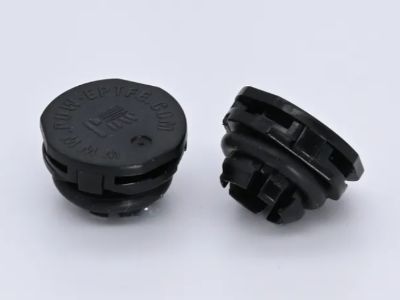
Thermal vent valves play a crucial role in managing battery heat risks, especially in high-demand applications like electric vehicles and energy storage systems. As batteries charge and discharge, they generate heat, which can lead to performance degradation, safety hazards, and potential failures. Understanding how thermal vent valve solutions effectively manage these heat risks is essential for purchasing managers and engineers involved in battery management systems. This article will explore the mechanisms of thermal vent valves, quality control measures in manufacturing, cost factors to consider when sourcing, installation guidance, and their various applications.
How Thermal Vent Valves Mitigate Battery Heat Risks Effectively
Thermal vent valves are designed to release pressure and vent gases from battery compartments, ensuring that excessive heat does not compromise battery integrity. These valves operate on a simple yet effective principle: as temperature rises, the internal pressure increases, prompting the valve to open and relieve the pressure. This not only prevents potential explosions due to thermal runaway but also allows for the dissipation of heat, thereby maintaining optimal operating conditions.
For buyers, understanding the specific design features of pressure vacuum vent valve is vital. Key considerations include the valve's opening temperature, material construction, and sealing capabilities, which all influence its effectiveness in high-temperature environments. A poorly designed valve may fail to open at the required pressure or may allow moisture ingress, leading to battery degradation. Therefore, selecting a valve that meets your operational specifications and environmental conditions is critical.
Quality Control Measures in Thermal Vent Valve Manufacturing
Manufacturing high-quality thermal vent valves requires stringent quality control measures throughout the production process. At PUW, we prioritize quality at every stage from material selection to final inspection. Materials used in thermal vent valves must withstand high temperatures and pressures while providing reliable sealing properties. Common materials include high-grade plastics and metals that resist corrosion and thermal stress.
Furthermore, quality control extends beyond materials to include testing procedures. Every batch of thermal vent valves undergoes rigorous testing to ensure they meet specified performance criteria. This includes pressure testing, thermal cycling tests, and compatibility evaluations with battery chemistries. Buyers should inquire about a supplier’s quality assurance processes, including certification standards and testing protocols, as these directly influence product reliability and performance.
Cost Factors to Evaluate When Sourcing Thermal Vent Valves
When sourcing thermal release valve, several cost factors should be carefully evaluated. While price is often a primary concern, buyers should consider the total cost of ownership. This includes initial purchase price, shipping costs, and any potential costs associated with installation and maintenance.
Material selection significantly affects cost. High-performance materials may incur a higher upfront cost but can provide long-term savings by enhancing durability and performance. Additionally, the complexity of the valve design and customization requirements can impact pricing. Buyers should be prepared to provide detailed specifications during the RFQ process, including desired performance characteristics and application conditions, to receive accurate quotations.
Another important factor is the minimum order quantity (MOQ). Understanding the supplier's MOQ can help in budget planning and inventory management, especially for companies with varying demand levels.
Installation Guidance for Optimal Performance of Thermal Vent Valves
Proper installation of thermal vent valves is critical to ensure their effective operation. Buyers should consider a few key aspects during the installation process. First, it is essential to follow the manufacturer’s guidelines regarding orientation and positioning. Incorrect placement can lead to performance issues or failure during high-pressure situations.
Additionally, attention to sealing and integration with the battery system is crucial. Any gaps or improper fittings can compromise the valve's functionality and expose the battery to moisture or contaminants. It is advisable to conduct a thorough review of installation practices and, if possible, to involve experienced personnel during the installation phase to avoid common pitfalls.
Finally, conducting a post-installation test can help verify that the thermal vent valves function as intended. This may include pressure testing and thermal cycling to confirm that the valves operate under expected conditions.
Applications of Thermal Vent Valves in Battery Management Systems
Thermal vent valves find applications in various battery management systems, particularly in industries that demand high reliability and safety. In electric vehicles, for instance, these valves are crucial for preventing battery overheating during rapid charging or extended use. They also play a significant role in renewable energy storage systems, where batteries are used to store energy from solar or wind sources.
In industrial applications, thermal automotive vents valves are utilized in high-capacity battery systems, such as those used in backup power supplies or uninterruptible power supplies (UPS). Buyers should evaluate their specific application requirements when selecting thermal vent valves, considering factors such as battery chemistry, expected temperature ranges, and the potential for rapid charge/discharge cycles.
Custom solutions may be required for specialized applications, so it's beneficial to discuss customization capabilities with potential suppliers. This can include adjustments in design, material specifications, or performance parameters to meet unique operational challenges.
In summary, understanding how thermal vent valve solutions manage battery heat risks is vital for ensuring the safety and efficiency of battery-operated systems. By considering quality control measures, cost factors, installation guidance, and applications, purchasing managers and engineers can make informed decisions when sourcing these essential components.
Table of Contents
- How Thermal Vent Valves Mitigate Battery Heat Risks Effectively
- Quality Control Measures in Thermal Vent Valve Manufacturing
- Cost Factors to Evaluate When Sourcing Thermal Vent Valves
- Installation Guidance for Optimal Performance of Thermal Vent Valves
- Applications of Thermal Vent Valves in Battery Management Systems

