 EN

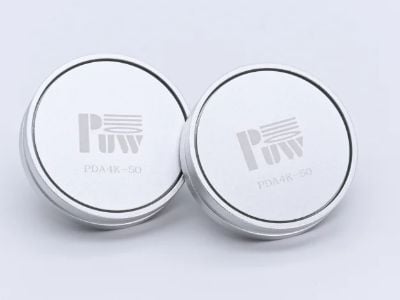
Explosion proof valves are crucial components in various industrial applications where flammable gases or dust are present. Designed to prevent ignition in explosive environments, they serve as vital safety mechanisms for equipment and personnel. This article explores what explosion proof valves are, their key benefits, and critical factors to consider when selecting them. It will help B2B buyers understand the specifications, installation challenges, and applications of these valves, enabling informed purchasing decisions.
What Key Specifications Should You Consider for Explosion Proof Valves?
When evaluating explosion proof valves, several key specifications are essential for ensuring safety and performance.
Pressure Rating: The valve's pressure rating indicates the maximum pressure it can handle without failure. It is crucial to match this specification with the operational requirements of your application to prevent leaks or catastrophic failures.
Temperature Range: Explosion proof valves must operate effectively within specific temperature limits. Understanding the environmental conditions where the valve will be used is vital, as extreme temperatures can impact performance and material integrity.
Ingress Protection (IP) Rating: The IP rating describes the vent relief valve resistance to dust and moisture. For explosion proof applications, an IP rating of at least IP66 is often required to ensure that no foreign particles can ingress and cause an explosion.
Material Composition: The materials used in the valve construction affect its durability and resistance to corrosion, which is especially important in harsh industrial environments. Common materials include stainless steel, aluminum, and various polymers, each suited for different applications and chemical exposures.
Certification Standards: Ensure that the valve complies with relevant safety standards, such as ATEX or IECEx, which certify that the equipment is safe to use in explosive atmospheres. This compliance should be verified through proper documentation.
By carefully considering these specifications, buyers can ensure that they select explosion proof valves that meet their project requirements and safety standards.
How to Choose the Right Explosion Proof Valve for Your Projects?
Selecting the right explosion proof valve involves a detailed assessment of specific project needs. Begin by identifying the application environment, including the type of gases or dust present, which will help determine the necessary certifications and material requirements.
Next, consider the valve's function within the system. Will it be used for on/off control, pressure relief, or flow regulation? This choice will influence the valve type—such as ball, gate, or butterfly safety valve and its design features.
It is also important to evaluate compatibility with existing systems. Ensure that the valve's dimensions, connection types, and operation mechanisms align with the equipment it will integrate with. Providing accurate technical drawings and specifications when requesting quotations can streamline the selection process.
Finally, engage with manufacturers to discuss customization options. Many manufacturers, like PUW, offer tailored solutions based on specific application requirements, allowing buyers to optimize performance and safety.
Common Installation Problems with Explosion Proof Valves and Solutions
Installation of explosion proof valves can present challenges that may impact their performance and safety. Here are some common issues and solutions to consider:
Improper Alignment: Misalignment during installation can lead to stress on the valve, causing leaks. To prevent this, ensure that all flanges are aligned and that the valve is installed according to the manufacturer's guidelines.
Insufficient Sealing: A common issue is inadequate sealing, which can compromise the valve's explosion proof integrity. Utilize proper sealing materials and techniques as specified by the manufacturer, and perform a leak test after installation to verify integrity.
Incorrect Sizing: Selecting a valve that is too large or too small for the application can lead to operational inefficiencies. Verify the flow requirements and pressure ratings to ensure the selected stainless steel ball valve is appropriately sized.
Environmental Factors: Environmental conditions, such as extreme temperatures or vibrations, can affect valve performance. Ensure that the installation site is suitable for the valve type and that additional protective measures are taken if necessary.
By anticipating these issues and following best practices for installation, buyers can mitigate risks and enhance the reliability of explosion proof valves.
Key Applications for Explosion Proof Valves in Industrial Settings
Explosion proof valves are utilized across various industrial sectors where hazardous materials are present. Key applications include:
Oil and Gas Industry: These valves are critical in refineries and petrochemical plants, where flammable gases and vapors are prevalent. They help control flow rates and prevent the escape of hazardous materials.
Chemical Processing: In facilities that handle volatile chemicals, explosion proof valves safeguard against leaks and explosions during material transfer processes.
Pharmaceutical Manufacturing: Maintaining safety in pharmaceutical plants is essential. Explosion proof valves ensure that processes involving flammable solvents are conducted safely.
Food and Beverage Production: In some food processing environments, dust from raw materials can create explosive atmospheres. Explosion proof valves help manage these risks by controlling the flow of ingredients safely.
Waste Treatment Facilities: These facilities often deal with flammable biogas produced during waste decomposition. Explosion proof valves are crucial for managing gas flow and preventing incidents.
Understanding these applications helps buyers identify the right explosion proof valves for their specific operational needs.
Understanding the Material Advantages of Explosion Proof Valves
The material used in explosion proof valves significantly influences their performance and longevity. Here are some common materials and their benefits:
Stainless Steel: Renowned for its corrosion resistance and strength, stainless steel is ideal for applications in harsh environments. It can withstand high pressures and temperatures, making it suitable for oil and gas applications.
Aluminum: Lightweight and resistant to corrosion, aluminum valves are often used in applications where weight is a concern. They are also cost-effective, making them suitable for certain industrial applications.
Brass: Known for its excellent machinability and resistance to corrosion, brass is frequently used in lower pressure applications. It provides good aesthetics and performs well in many environments.
Plastic Composites: In specific applications, such as wastewater treatment, plastic composite valves are beneficial due to their resistance to chemical corrosion. They are lightweight and can be more economical than metal options.
When selecting materials, consider the specific chemical exposures and environmental conditions of your application. Collaborating with manufacturers like PUW can provide insights into the best material choices tailored to your operational needs.
By understanding the nuances of explosion proof valves and their applications, buyers can make informed decisions that enhance safety and efficiency in their operations.
Table of Contents
- What Key Specifications Should You Consider for Explosion Proof Valves?
- How to Choose the Right Explosion Proof Valve for Your Projects?
- Common Installation Problems with Explosion Proof Valves and Solutions
- Key Applications for Explosion Proof Valves in Industrial Settings
- Understanding the Material Advantages of Explosion Proof Valves

