 EN

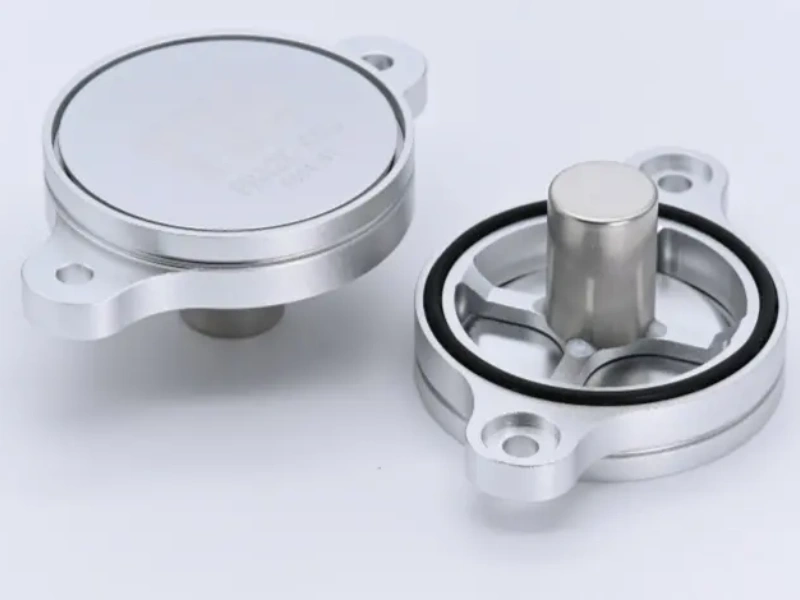
There are two key considerations – the proper selection and installation of an explosion proof valve – that ensure that battery packs, electronic enclosures, and other sealed systems are kept safe from catastrophic pressure build-up. Unlike a typical pressure relief valve, which only needs to open when internal pressure exceeds a set limit, these valves must perform two functions: keeping the enclosure sealed during normal operation and opening reliably at a critical point. For engineers and procurement teams, proper specification and installation can mean the difference between a device that prevents failure and one that becomes a point of vulnerability. Since 2010, PUW has been working on this challenge, creating explosion proof valves that have IP68 protection and an ability to release pressure at high speed under extreme conditions in the various countries where they are used.
Understanding the Core Function
An explosion proof valve is a controlled failure point. Sealed enclosures like battery packs have internal pressure that can escalate quickly as a result of thermal runaway, chemical reactions or changes in temperature. Under normal conditions, the valve stays closed and sealed; when gas pressure reaches or exceeds a calibrated burst level, the valve releases the gas before the enclosure can burst. PUW’s explosion-proof valve for new-energy battery packs is made of anti-oxidation-coated aluminum alloy and is designed specifically for non-vacuum sealed cavities in new energy battery packs. It features two channels for ventilation and pressure relief so that it can vent overpressure fast, while still ensuring IP68/6K9K ingress protection.
Key Selection Criteria
There are a number of parameters that need to be considered when selecting explosion-proof valves. The opening pressure (also referred to as the burst or cracking pressure) should be set below the structural limit of the enclosure and within the operating pressure range. The valves in PUW are carefully calibrated for each customer, and are explosion-proof with a point calibration. However, the area of the exhaust is also very important, since it dictates the rate at which pressure is able to be released. If a valve has a reduced flow capacity, it may open properly, but not release gases rapidly enough, resulting in damage. The PD16A4K-51X model from PUW has a full open exhaust area of 650 mm², making it suitable for battery pack applications to release the pressure quickly.
Material compatibility and environmental resistance also influence the choice. The valve body should not be affected by the exposure of electrolytes, cleaning solutions, and temperature changes. The aluminum alloy structure of PUW is anti-oxidation coated, which is resistant to corrosion and has high structure hardness. If an application requires both pressure relief and continuous breathing, PUW provides waterproof, breathable, explosion-proof valves for all applications that incorporate an ePTFE membrane. This membrane allows air to flow through during normal operation and also provides emergency venting.
Installation Best Practices
The valve is supposed to work according to design if it is installed correctly. The mounting surface should be clean, dry, and free of oil or dust, as these may hinder the seal. The one-way explosion-proof valve is mounted externally with four holes, ensuring secure mounting and even compression on the sealing surface. Technicians should verify the valve orientation during installation and ensure that no thread sealant or debris blocks the venting path.
Many installers don't realize torque specifications are important. If it's not tightened sufficiently, the seal may leak; if it is over-tightened, it may cause the burst mechanism to malfunction or cause valve body distortion. By sticking to the torque specifications published by PUW for each model, both of these failures are avoided. Once installed, a gas tightness test is recommended to ensure the seal integrity is maintained prior to the enclosure being put into use. PUW tests the gas tightness of all valves prior to shipping, and field testing detects installation-related problems that factory tests cannot.
Integration with Battery Pack Safety Systems
When it comes to battery pack applications, the explosion proof valve is just one of a multi-layered safety approach. It does not take the place of cell level safety mechanisms, or battery management system monitoring, but is a final line of defense to protect against pressure buildup in the event these other safety mechanisms fail to protect against enclosure rupture. PUW's valves are engineered to facilitate battery packs to attain high safety standards by providing quick pressure venting in case of an increase in pressure in the packs. The one-way construction of the valve allows gases to escape from the valve, but not enter from outside during normal use, while excluding gases from the outside during use.The one-way construction allows gas to escape from the enclosure while preventing external gases, contaminants, and water from entering during normal operation.
Quality Assurance and Compliance
Relying on a supplier that has developed strong quality systems will minimize risk. PUW has established a laboratory verified by the CNAS and has over 200 patents related to waterproof and breathable technology. The company's manufacturing plants meet the standards of ISO 9001, IATF 16949 and ISO 14001. These certifications are helpful to procurement teams as they give them a sense of confidence that the valve is designed, tested, and built within controlled conditions and not just made from unverified parts.
Conclusion
The selection and installation of explosion-proof valves should involve several aspects such as opening pressure, flow capacity, material durability, and the integrity of the mounting. An improperly installed valve, even if correctly specified, offers no more protection than an undersized valve. A manufacturer that offers application-specific calibration, test data and installation instructions will help engineers be sure that their pressure relief strategy will work when they need it to. The full line of explosion-proof valves from PUW for battery packs and electronic enclosures demonstrates this all-in-one approach to protection—precision manufacturing methods coupled with the technical knowledge required for proper field installation.

