 EN

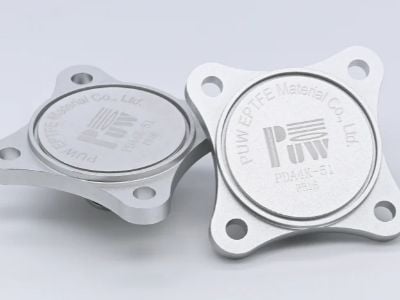
Explosion proof valves play a crucial role in enhancing safety in hazardous environments where flammable gases or vapors may be present. These specialized valves are engineered to prevent the ignition of explosive materials, ensuring that operations can proceed without risking catastrophic incidents. For purchasing managers, engineers, and safety officers, understanding how an explosion proof valve secures hazardous areas is essential for making informed decisions. This article delves into the importance of these valves, key specifications to consider, sourcing reliable suppliers, installation guidance, and their applications across various industries.
How Explosion Proof Valves Enhance Safety in Hazardous Areas?
Explosion proof valves are designed to contain and control potentially explosive substances, making them indispensable in industries such as oil and gas, chemicals, and pharmaceuticals. The fundamental principle behind these valves is their ability to withstand internal explosions without allowing flammable gases or vapors to escape into the environment.
These valves are typically constructed from robust materials that provide a high level of durability under extreme conditions. They incorporate features such as flame arrestors and pressure relief mechanisms that work together to mitigate the risk of explosions. When installed correctly, explosion proof valves not only protect personnel and equipment but also comply with regulatory standards, thus enhancing overall safety in hazardous areas.
Moreover, the operational reliability of explosion explosion proof valve is critical. Frequent maintenance checks and quality inspections are necessary to ensure they perform effectively in emergency situations. For buyers, understanding the safety features and compliance certifications of these valves is essential in selecting the most suitable option for their specific applications.
Key Specifications to Evaluate When Sourcing Explosion Proof Valves
When sourcing explosion proof valves, several key specifications should be evaluated to ensure they meet the application's requirements:
Material Composition: The choice of materials affects the valve's resistance to corrosion, pressure, and temperature fluctuations. Common materials include stainless steel and carbon steel, which provide durability and safety under harsh conditions.
Pressure and Temperature Ratings: Buyers should confirm the valve's maximum pressure and temperature ratings to ensure compatibility with their operational standards. Selecting a valve with inadequate ratings can lead to failure and safety hazards.
Certification Standards: Look for valves that waterproof membrane comply with relevant safety standards such as ATEX, IECEx, or UL certifications. These certifications indicate that the valve has undergone rigorous testing and meets safety requirements for hazardous environments.
Size and Connection Types: Proper sizing is crucial for ensuring the valve fits within existing piping systems. Additionally, connection types, such as flanged or threaded, should align with the specific installation requirements.
Actuation Mechanism: Depending on the application, buyers may choose between manual or automated actuation mechanisms. Automated valves can enhance response times in emergency situations, while manual valves may be more cost-effective for less critical applications.
By meticulously evaluating these specifications, buyers can make informed decisions that enhance safety and operational efficiency in hazardous areas.
Finding Reliable Suppliers for Valves
Identifying reliable suppliers for explosion proof valves is critical for ensuring product quality and compliance with safety standards. Here are some practical steps to aid in the supplier selection process:
Research Industry Reputation: Look for suppliers with a proven track record in manufacturing explosion proof valves. Online reviews, industry forums, and customer testimonials can provide insights into the supplier's reliability and product performance.
Request Certifications: Ensure that potential suppliers provide documentation of relevant industry certifications. This documentation should confirm that their products meet safety standards required for hazardous environments.
Evaluate Technical Support: A supplier that offers robust technical support can be invaluable, especially for complex installations. Assess their ability to provide guidance on product selection, installation, and maintenance.
Check for Customization Capabilities: Depending on specific application needs, it may be beneficial to work with suppliers that offer customization options. This can include modifications to size, materials, and actuation methods to meet unique operational requirements.
Review Quality Control Processes: Understand the liquid applied waterproofing membrane quality control measures that suppliers implement during manufacturing. A supplier with stringent quality checks can help prevent issues that may arise from substandard products.
Building a strong relationship with reputable suppliers not only ensures access to high-quality products but also fosters collaboration on future projects.
Installation Guidance for Explosion Proof Valves in Industrial Settings
Proper installation of explosion proof valves is critical to their performance and safety. Here are key considerations for installation in industrial settings:
Follow Manufacturer Guidelines: Always adhere to the manufacturer’s installation instructions, as they provide essential information specific to the valve model. These guidelines typically include torque specifications, mounting orientations, and connection methods.
Conduct a Site Assessment: Before installation, perform a comprehensive site assessment to identify any potential hazards and ensure that the chosen location complies with safety regulations. This assessment should account for environmental factors such as temperature and humidity that could impact valve performance.
Ensure Accessibility: Position valves to allow easy access for routine maintenance and inspections. This practice can significantly reduce downtime and enhance safety during emergency situations.
Implement Testing Procedures: After installation, conduct thorough testing to verify that the valve operates correctly and meets performance specifications. This may include pressure testing and functional checks.
Document the Installation Process: Keep detailed records of the installation process, including site assessments, testing results, and maintenance schedules. This documentation can be beneficial for compliance audits and future reference.
By following these guidelines, companies can ensure that their explosion proof valves are installed safely and effectively, maximizing their protective capabilities.
Applications of Explosion Proof Valves Across Various Industries
Explosion proof valves find applications across a diverse range of industries, each with unique requirements for safety and performance:
Oil and Gas: In the oil and gas sector, these valves are essential for managing flammable gases and liquids during extraction and processing. Their robust design helps prevent leaks and explosions in high-pressure environments.
Chemical Manufacturing: Chemical plants often handle volatile substances, making explosion proof valves critical for maintaining safety in processing areas. These valves help control the flow of hazardous chemicals while minimizing the risk of ignition.
Pharmaceuticals: The pharmaceutical industry requires stringent safety measures to prevent contamination and explosions. Explosion proof valves facilitate the safe handling of flammable solvents and other hazardous materials used in drug manufacturing.
Food Processing: In food processing, explosion proof valves are used to manage gases generated during production. They ensure that any flammable byproducts are safely contained, protecting workers and equipment.
Mining: Mining operations often involve the use of explosive materials. Explosion proof valves are utilized in ventilation systems to ensure that flammable gases are safely expelled from enclosed areas.
Understanding these applications allows buyers to appreciate the critical role that explosion proof valves play in enhancing safety across various sectors, ultimately guiding their purchasing decisions.
Table of Contents
- How Explosion Proof Valves Enhance Safety in Hazardous Areas?
- Key Specifications to Evaluate When Sourcing Explosion Proof Valves
- Finding Reliable Suppliers for Valves
- Installation Guidance for Explosion Proof Valves in Industrial Settings
- Applications of Explosion Proof Valves Across Various Industries

