 EN
EN

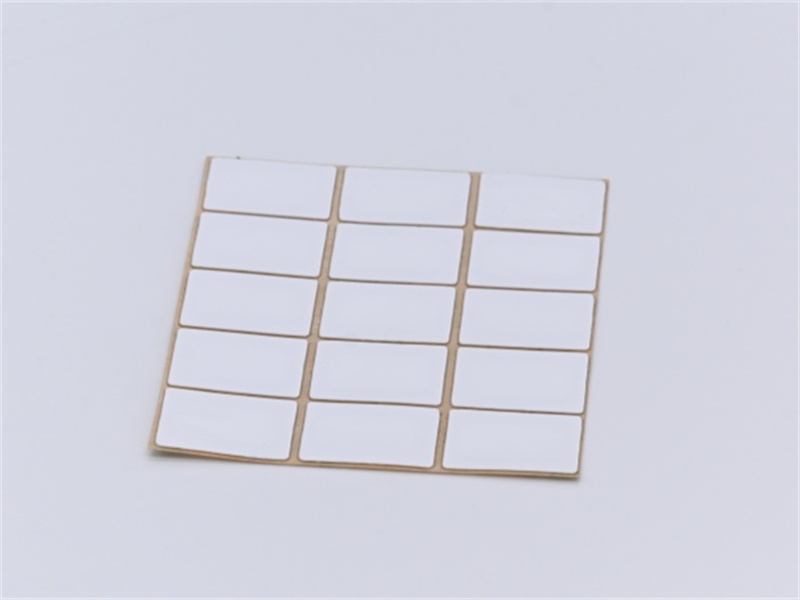
Electronic devices outside are constantly subjected to solar radiation, rain, dust and temperature variations. One of the most devastating environmental stresses is ultraviolet (UV) radiation. If you are a manufacturer that need to use waterproof, breathable membranes to shield sensitive components—it is crucial that you understand UV stability testing. Established in 2010, PUW is a national high-tech enterprise that has been developing membranes and explosion-proof valves able to resist harsh outdoor environments for more than 10 years. To help you achieve reliable results, this article outlines best practices for UV stability testing, drawn from PUW's experience in precision engineered solutions for global markets.
Why UV Stability Matters for Breathable Membranes
Waterproof, breathable membranes are made to allow the transfer of air and vapor, while still preventing liquid water and particulates from passing through. Such membranes are exposed to solar radiation in outdoor applications like LED lighting systems, solar energy systems and telecommunication equipment. UV exposure can damage polymer chains in membranes, resulting in brittleness, cracking, or loss of hydrophobic properties. When the membrane is damaged, it can allow water and dust to penetrate the casing, resulting in corrosion, short circuits and even total device failure. So, UV stability testing is designed to emulate the effects of years of sun exposure in a lab setting to foretell actual results.
Key Testing Standards and Methods
There are several international standards for UV stability testing of polymeric materials. The most widely used are ISO 4892, ASTM G154 and ASTM G155. The standards include parameters such as irradiance, wavelength range, temperature in the chamber and humidity cycles. Testing for breathable membranes typically uses accelerated weathering tests with UVA-340 or xenon-arc lamps that simulate the solar spectrum. Samples are exposed for hundreds of hours—equivalent to many years of outdoor exposure. The changes in tensile strength, elongation, water entry pressure and air permeability are measured as a way of evaluating performance. These tests are carried out on a rigorous basis by PUW's CNAS-certified laboratory, with each membrane grade passing the test to guarantee its durability for the customers' needs.
Best Practices for Reliable UV Testing
Manufacturers should employ a number of best practices to achieve meaningful and reproducible results. First, prepare samples under actual production conditions, such as thickness, coating, and protective layers. Second, precisely monitor chamber temperature and humidity, since heat can cause degradation at a quicker rate than UV alone. Third, have a control sample that is held in the dark for comparison. Fourth, conduct a post-test functional test rather than a visual test. The membrane might look fine but have become non-breathable or lost its waterproofing. Fifth, test to failure, not a set amount of time to determine the margin of safety. PUW is applying these in its 22 production lines and is ISO 9001, IATF 16949, and ISO 14001 certified, with over 200 patents to support.
Designing Membranes for Long-Term UV Resistance
It is not enough to just test a formulation when it is bad. Best practices start by the time material is being selected. The inherent properties of base polymers like expanded polytetrafluoroethylene (ePTFE) make them highly resistant to UV rays, whereas polyurethane and polypropylene may need stabilizers for UV. The incorporation of UV absorbers and hindered amine light stabilizers (HALS) can greatly improve the life of the membrane. In addition, a dark or reflective outer layer will help to block out some of the UV rays. PUW's research and development team collaborates closely with customers to customize the chemistry of membranes to address unique environments, such as solar farms in the high deserts and towers for telecommunication in coastal areas.
Integrating Testing into Product Development
UV stability testing should be used as a continuous process in product development rather than a final step. Accelerated aging allows engineers to compare formulations rapidly using early prototypes. Validation testing of completed assemblies, such as a vent for a battery pack or an outdoor control box, ensures that installation is not creating weak points in the assembly. The four service centers in China and Germany allow for fast feedback, while smart inventory systems ensure that validated materials will be available for scale-up. This strategy has solidified PUW's reputation as a trusted partner among top-tier automotive electronics, portable electronics, and outdoor LED lighting companies—giving customers the confidence to partner with PUW.
Conclusion
UV stability testing is one of the most important aspects of the performance of an outdoor breathable membrane. Standardized procedures, control of test conditions, and incorporation into design can help prevent premature failures in the field. With its committed R&D team, CNAS-certified laboratory, and vast patent portfolio, PUW remains dedicated to innovation. If you are designing an outdoor application that requires IP68 protection and rapid pressure venting, investing in rigorous UV testing is the best way to ensure long-term customer satisfaction.

