 EN

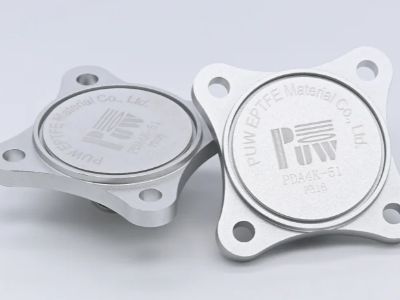
Selecting and installing an explosion-proof valve is a critical decision for industries that operate in hazardous environments. These valves are designed to prevent and contain explosions or fires, ensuring safety and compliance with regulatory standards. As a B2B buyer, your main concerns will likely include product specifications, compliance, installation requirements, and overall reliability. This article provides essential insights on how to select and install an explosion-proof valve effectively.
How to Choose the Right Explosion Proof Valve for Your Project?
Choosing the right explosion-proof valve involves several considerations, including the specific application, environmental conditions, and compliance with safety standards. First, identify the nature of the application whether it involves gases, liquids, or both and the specific hazards present in the environment, such as flammable vapors or dust.
Next, assess the pressure and temperature ratings of the valve, which must align with your operating conditions. Explosion-proof valves are classified according to their ability to contain explosions under predetermined conditions, so understanding these classifications is crucial. For instance, look for valves that comply with ATEX or IECEx standards, as these certifications indicate that the electric relief valve has been tested for use in explosive atmospheres.
Lastly, consider the materials used in the valve's construction. Common materials include stainless steel and brass, which offer durability and resistance to corrosion. Ensure that the selected material meets the chemical compatibility requirements of your application.
A Buying Guide
When purchasing an explosion-proof valve, start by gathering detailed product specifications from potential suppliers. Key specifications to request include:
Pressure and temperature ratings: Ensure these match your operational requirements.
Material specifications: Confirm that the electric water heater safety valve materials are suitable for the fluids handled and the environmental conditions.
Certifications: Verify compliance with industry standards such as ATEX, IECEx, and others relevant to your industry.
Installation requirements: Understand the mounting options and any necessary accessories for installation.
Also, inquire about customization options, as many suppliers, like PUW, offer tailored solutions that can enhance performance or fit specific installation needs. Be sure to discuss lead times and minimum order quantities (MOQs) to align with your project timelines.
What to Look for in Explosion Proof Valves?
When evaluating explosion-proof valves, focus on several critical factors:
Sealing Mechanism: The sealing mechanism is vital for maintaining pressure and preventing leaks. Look for valves with robust sealing features such as O-rings or gaskets that can withstand temperature fluctuations and chemical exposure.
Actuation Method: Consider whether you need manual, pneumatic, or electric actuation. Each method has its advantages and may suit different operational needs.
Size and Dimensions: Ensure the vent relief valve dimensions fit within your system's specifications. A valve that is too large or too small can lead to inefficiencies or installation challenges.
Maintenance Requirements: Assess the maintenance needs of the valve. Some designs allow for easier access to components for inspection and servicing, which can reduce downtime.
Supplier Reputation: Choose a manufacturer known for quality and reliability. Research customer reviews and case studies that showcase their products in similar applications.
Step-by-Step Process
Selecting and installing an explosion-proof valve can be broken down into clear steps:
Define Application Needs: Clarify the application requirements, including the medium (liquid or gas), pressure, temperature, and environmental conditions.
Gather Supplier Information: Request detailed specifications, certifications, and pricing from multiple suppliers. Compare their offerings based on your project needs.
Evaluate Samples: If possible, request samples to evaluate their fit and functionality within your system. Testing samples in real-world conditions can help identify potential issues before full-scale installation.
Confirm Order Details: Once you've selected a supplier, ensure that all order details—such as material, dimensions, and delivery schedules—are confirmed in writing.
Install the Valve: Follow the manufacturer's installation guidelines carefully. Proper installation is critical to ensuring the valve operates as intended and meets safety standards.
Conduct Testing: After installation, perform functional testing to ensure the valve operates correctly under expected conditions.
Applications of Explosion Proof Valves in Various Industries
Explosion-proof valves are essential in several industries, including:
Oil and Gas: In this sector, valves help control the flow of flammable liquids and gases, ensuring safe operations in hazardous environments.
Chemical Manufacturing: These valves are used to manage chemicals that could pose an explosion risk, providing a critical safety component in processing.
Pharmaceuticals: In environments where volatile substances are handled, explosion-proof valves help maintain safety and compliance with stringent regulations.
Food and Beverage: Certain processes may involve flammable dust from powders or oils, making explosion-proof valves necessary to safeguard against ignition sources.
Mining: In mining operations, these valves help manage the flow of materials in environments where explosive gases may be present.
By understanding the specific applications and requirements of your industry, you can select the most suitable explosion-proof valves and ensure a safer working environment.

