 EN

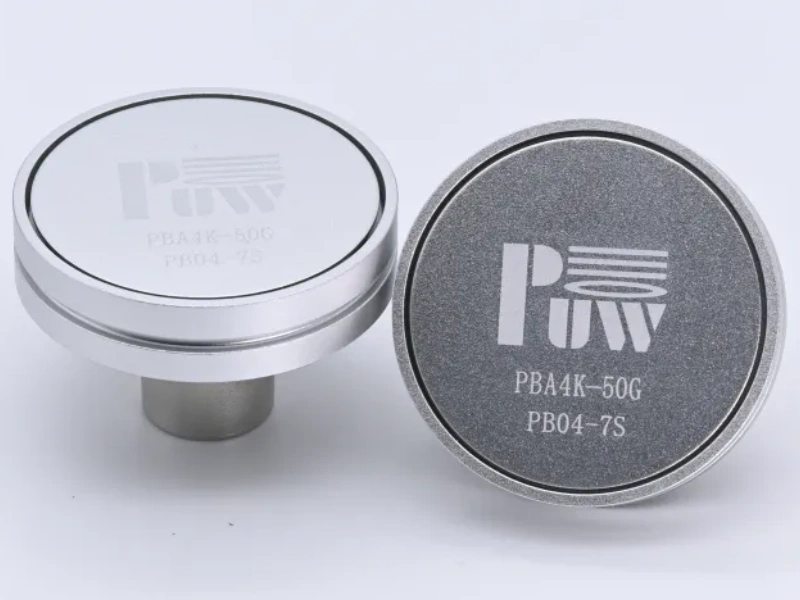
Safety features cannot be added after the battery has been installed in the vehicle. The pressure relief valve is an important safety feature for engineers creating battery packs for electric vehicles, energy storage systems, or portable electronics. The right valve helps the enclosure withstand catastrophic failure and keeps water and dust out during normal operation. So many factors must be considered when selecting a valve that the process needs to be systematic. This guide discusses the factors to consider when selecting the right pressure relief valve for your battery pack.
Understand the Dual Role of the Valve
A pressure relief valve has two distinct functions that must work together. In normal operating conditions it serves as a permeable membrane which lets air flow through to equalize different air pressures that occur with changes in temperature or altitude. This helps to avoid stress to seal and enclosure joints. In case of abnormal event, such as cell thermal runaway, the valve should open quickly to release a significant amount of gas and prevent the internal pressure reaching the structure strength limit of the pack. The best valves provide both functions without sacrificing anything. In fact, PUW's explosion-proof valve is designed to balance normal sealing against an open vent path that releases pressure promptly when burst pressure is reached, while still meeting the IP68 standard required by modern battery packs.
Match the Opening Pressure to Your Enclosure
Opening pressure (also referred to as burst pressure) is the pressure the valve opens at. This should be set below the maximum pressure the battery enclosure can withstand, with an adequate safety margin. If the valve opens too slowly, the enclosure could crack or deform before the valve releases pressure. However, it is important not to set the opening pressure too low or else the sealing may be affected, especially in this context of water immersion. The relationship is simple: the higher the burst pressure, the better the sealing, but the enclosure must also be stronger. PUW offers engineers a choice of opening pressures across low, medium, and high ranges to match the mechanical limits of their pack design.
Calculate the Required Venting Capacity
A battery cell can produce a significant amount of gas in a thermal runaway. This generation rate must not exceed the flow capacity of the valve; otherwise, pressure will build up faster than it can be released. This calculation is based on the cell chemistry, the number of cells in the pack, and the volume of the enclosure, after considering the volume of the cells. If the valve’s flow is restricted, pressure cannot be released quickly enough and will continue to rise. On the other hand, oversizing the valve unnecessarily costs and takes up space. PUW’s technical team can recommend a theoretical venting rate, and the safety factor should be 1.2 or higher, determined by the available module space and internal pack structure.
Prioritize Ingress Protection for Real-World Conditions
The battery pack is exposed to water, dust and dirt during its entire service life. The pressure relief valve is one of the possible ways for these contaminants to enter, so its ingress protection rating is essential. With IP68 protection, the valve withstands extended water contact, prevents water ingress, and blocks dust from entering and causing short circuits or corrosion. The valve designed by PUW is explosion-proof and will guarantee that it remains IP68 despite the pressure equalization requirement for breathability. The dual capability is crucial for automotive and outdoor use. If the valve is not sealed properly it is a liability, not a safeguard.
Verify Reusability and Response Behavior
There are two general types of pressure relief valves: reclosable valves and one-time rupture discs. A reclosable valve opens during pressure surges, automatically closes after venting and keeps oxygen from entering the pack, lessening the risk of fire propagation. This is useful in applications where a failure in one pack should not affect the rest of the battery system. PUW's explosion-proof valves are designed to be used again, and when the pressure in the chamber drops below the burst pressure, the valve will shut once more, and continue to protect the chamber. The reusability, coupled with the corrosion-resistant metal housing of the valve, guarantees that the valve will last through the life of the vehicle.
Confirm Compliance and Manufacturing Quality
Pressure relief valve is a safety device, so suppliers should operate a strict quality management system. Check for automotive quality system certification like IATF 16949, or quality management certification like ISO 9001. These certification show that the valve is manufactured by controlled processes with traceable materials and testing. PUW has a CNAS certified laboratory and over 200 patents, and doesn't claim anything that hasn't been proven. PUW currently operates two production bases in Jiangxi and Guangdong, covering a about 40,000 square meters and running 22 production lines, which provide the capacity and equipment for mass production of precision-engineered valves.
There are various factors to consider when selecting the pressure relief valve, such as opening pressure, flow capacity, ingress protection and reliability, and suitability of the battery pack. If the valve is viewed as a critical safety part, as opposed to an "extra" part, engineers can design a valve that is safe and will perform in the field. From the very calculations of the parameters required for selection, to the specification of the valve to suit the customer's needs, PUW's engineering team assists customers throughout the process to ensure that each battery pack is protected appropriately.

