 EN

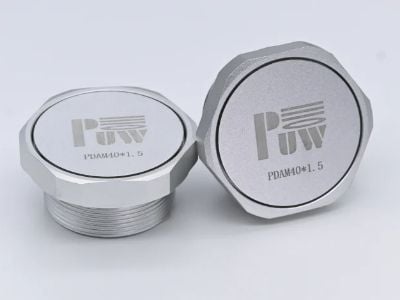
Industrial enclosures play a crucial role in protecting sensitive equipment and electronics from external elements such as moisture, dust, and temperature fluctuations. One often overlooked component that significantly enhances the functionality of these enclosures is the vent plug. Understanding why industrial enclosures need a vent plug for protection is essential for buyers, engineers, and purchasing managers. This article will explore the specifications, cost factors, installation challenges, material advantages, and technical guidance related to vent plugs, helping you make informed decisions in your procurement process.
Key Specifications to Evaluate When Choosing Vent Plugs
When selecting vent plugs for industrial enclosures, several key specifications must be evaluated to ensure optimal performance and protection.
Material: The choice of material is vital as it affects the durability and performance of the vent plug. Common materials include nylon, polypropylene, and various metal options, each offering different levels of resistance to environmental conditions.
Size and Thread Type: The dimensions and threading of the vent plug should match the enclosure’s design. Incorrect sizing can lead to inadequate sealing or potential leakage of contaminants.
Pressure Rating: Depending on the application, the vent plug should be capable of handling specific pressure levels. This is particularly important in environments where pressure fluctuations are common.
Breathability and Filtration: A quality vent plug allows for air circulation while preventing the ingress of dust and moisture. Check for filters or membranes that enhance breathability without compromising protection.
Temperature Range: Evaluate the operating temperature range of the vent plug to ensure it can withstand the environmental conditions of the application.
By carefully considering these specifications, buyers can ensure that they select vent plugs that not only fit their enclosures but also enhance their operational efficiency and longevity.
Exploring the Cost Factors of Vent Plugs for Bulk Orders
Cost is a significant factor when purchasing vent plugs, especially for large-scale orders. Several elements influence pricing:
Material Costs: The type of material directly impacts the price. For instance, specialized materials that offer higher resistance to chemicals or extreme temperatures may cost more than standard options.
Production Volume: Bulk orders typically benefit from economies of scale, resulting in lower per-unit costs. Manufacturers may offer discounts based on order quantities, so understanding the air vent plug minimum order quantities (MOQ) is crucial.
Customization: If specific customization is required such as unique sizes, colors, or branding this can increase costs. Buyers should weigh the need for customization against the potential impact on pricing.
Supplier Relationships: Established relationships with suppliers can lead to better pricing and more favorable payment terms, making it beneficial for companies to foster strong connections with their manufacturers.
Logistics and Shipping: The final cost can also be affected by shipping methods and destinations. Consideration of lead times and transportation costs is essential for budgeting purposes.
Understanding these cost factors will help buyers negotiate better terms and make more informed purchasing decisions.
Common Installation Challenges with Vent Plugs and Solutions
Installing vent plugs in industrial enclosures can present several challenges. Here are some common issues and their solutions:
Incorrect Sizing: One of the most frequent problems is selecting a vent plug that does not fit properly. To avoid this, always verify the size and thread specifications against the enclosure's requirements before ordering.
Seal Integrity: Ensuring a proper seal is crucial for maintaining the enclosure's protective qualities. Use appropriate sealants or gaskets during installation to enhance the sealing capability of the vent plug.
Orientation and Positioning: Vent plugs must be installed in a way that allows for effective airflow while preventing water ingress. Consideration should be given to the orientation of the gearbox vent plug, ensuring it is positioned to maximize drainage and airflow.
Debris and Contamination: During installation, it is important to keep the area clean to avoid contamination that could compromise the vent plug’s function. Implementing strict cleanliness protocols can mitigate this risk.
By being aware of these challenges and preparing accordingly, buyers can facilitate smoother installations and enhance the overall performance of their industrial enclosures.
Material Advantages of Quality Vent Plugs for Enclosure Protection
The material used in vent plugs significantly affects their performance and longevity. Here are some advantages of selecting high-quality materials:
Durability: High-quality materials such as stainless steel or reinforced plastics provide enhanced durability, ensuring that the vent plugs can withstand harsh environmental conditions and resist wear over time.
Chemical Resistance: In environments where exposure to chemicals is possible, using vent plugs made from chemical-resistant materials is essential. This ensures that the integrity of the vent plug remains intact, preventing failures that could lead to equipment damage.
Thermal Stability: Vent plugs constructed from materials with high thermal stability are less likely to deform or fail under extreme temperatures, ensuring consistent performance across varying conditions.
Moisture Resistance: Quality vent plugs often incorporate features such as hydrophobic membranes that allow for venting while preventing moisture ingress. This is critical for maintaining the internal environment of the enclosure.
Investing in vent plugs made from high-quality materials not only enhances protection but also extends the lifespan of industrial enclosures.
Technical Guidance for Ensuring Optimal Vent Plug Performance
To ensure optimal performance of vent plugs, manufacturers and buyers should follow these technical guidelines:
Regular Inspections: Conduct routine inspections to ensure that vent plugs are functioning correctly. Look for signs of wear, damage, or contamination that could hinder performance.
Testing Under Real Conditions: Before mass production, it is advisable to test a sample of vent plugs under actual operating conditions. This will help confirm that they meet performance expectations and are suitable for the intended application.
Documentation and Quality Control: Maintain thorough documentation of specifications, materials, and installation procedures. This serves as a reference to ensure consistency and quality during production.
Collaboration with Manufacturers: Work closely with manufacturers to understand the performance characteristics of different vent plug options. Manufacturers can offer insights into which products are best suited for specific applications based on their expertise.
By following these guidelines, buyers can enhance the reliability and effectiveness of vent plugs in their industrial enclosures, ensuring that they provide the necessary protection for critical equipment.
Table of Contents
- Key Specifications to Evaluate When Choosing Vent Plugs
- Exploring the Cost Factors of Vent Plugs for Bulk Orders
- Common Installation Challenges with Vent Plugs and Solutions
- Material Advantages of Quality Vent Plugs for Enclosure Protection
- Technical Guidance for Ensuring Optimal Vent Plug Performance

