 EN

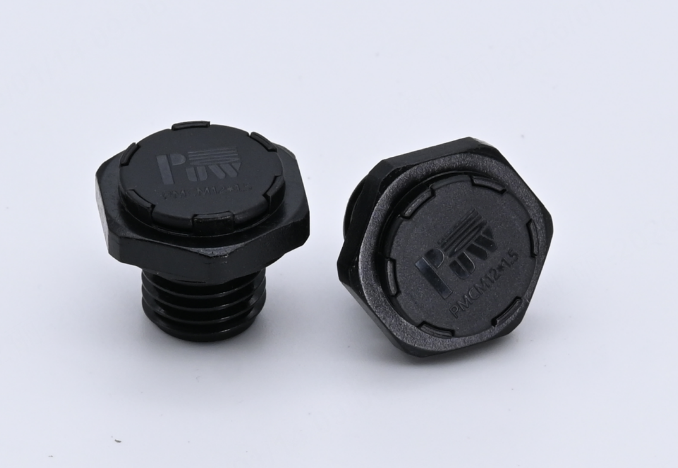
Choosing the right pressure relief valve for batteries is critical for ensuring safety and optimal performance in battery systems. Pressure relief valves are designed to release excess pressure that can build up within battery enclosures, which is essential for preventing leaks, ruptures, or other hazardous failures. B2B buyers, including purchasing managers and engineers, need to navigate various specifications, materials, and operational requirements before making a purchase. This article will help you understand how to select the best PUW boiler pressure relief valve for batteries, evaluate different models, and address common issues.
How to Choose the Right Pressure Relief Valve for Battery Systems
When selecting a pressure relief valve for battery systems, several factors should be considered to ensure the valve meets your specific requirements:
Pressure Settings: Identify the maximum pressure that your battery system can safely tolerate. The pressure relief valve should open at a set point that prevents this threshold from being exceeded. This specification is crucial for maintaining system integrity and preventing catastrophic failures.
Material Compatibility: The valve's materials must be resistant to the chemicals present in the battery environment. For instance, if the batteries are lithium-ion, ensure the valve materials can withstand potential exposure to electrolytes without degrading.
Flow Rate: Assess the required flow rate for your application. A valve that allows for an adequate flow rate will efficiently release excess pressure without causing delays that could lead to system failure.
Temperature Ratings: Consider the operational temperature range of your battery system. The valve should be able to function effectively within these limits to avoid malfunction or material degradation.
Certification and Compliance: Ensure the valve complies with industry standards and regulations relevant to battery safety. This might include certifications for explosion-proof or high-pressure environments, depending on your application.
By focusing on these aspects, you can choose a pressure relief valve that not only fits your technical requirements but also enhances the safety and reliability of your battery systems.
Where to Source Reliable Pressure Relief Valves for Bulk Orders
Sourcing reliable pressure relief valves for bulk orders requires careful evaluation of potential suppliers. Here are some strategies to help you find trustworthy manufacturers:
Industry Reputation: Look for manufacturers with a proven track record in the industry. Established companies like PUW, which specializes in high-tech valves, often have the experience and expertise needed to provide quality products.
Production Capabilities: Verify the supplier’s manufacturing capabilities, including their equipment and technology. Advanced production methods can often lead to better consistency and quality in the final product.
Customization Options: Many manufacturers offer customization to meet specific application needs. Check if the supplier can modify dimensions, materials, or pressure settings based on your requirements.
Quality Control Processes: Inquire about the quality control measures in place during the manufacturing process. Reliable suppliers will have stringent testing protocols to ensure that each valve meets safety and performance standards.
Lead Times and MOQ: Understand the lead times associated with bulk orders and the minimum order quantities (MOQ) required. This will help you plan your inventory and ensure timely delivery for your projects.
By taking these factors into account, you can confidently source pressure relief valves that meet your operational needs and enhance your battery systems' safety.
What Makes a Pressure Relief Valve Stand Out?
Several features can differentiate a pressure relief valve in the market, making it a preferred choice for buyers:
Innovative Design: A valve that incorporates advanced engineering, such as a self-cleaning mechanism or a low-torque operation, can provide operational advantages, reducing maintenance efforts and enhancing reliability.
Durability: Valves made from high-quality, corrosion-resistant materials can withstand harsh environments, ensuring long-term functionality without frequent replacements.
Easy Installation: Valves designed for straightforward installation can significantly reduce setup time and costs. Features like universal fittings or simplified connection methods can ease the installation process.
Performance Metrics: Look for valves that provide detailed performance metrics, including response times and flow characteristics. This information can help ensure the valve will perform as required in real-world applications.
Customer Support: A manufacturer that provides robust post-sale support, including technical assistance and warranty services, can be a strong indicator of reliability and commitment to customer satisfaction.
Selecting a pressure relief valve with these standout features can lead to enhanced performance and reduced operational risks in battery systems.
How to Compare Different Pressure Relief Valve Models for Batteries
When comparing different pressure relief valve models for batteries, it's essential to evaluate several key criteria:
Specifications: Create a comparison chart that includes specifications such as pressure rating, flow rate, material composition, and temperature range for each model. This will help you identify which options meet your requirements.
Application Suitability: Analyze each model's suitability for your specific battery application. Consider factors like the type of battery, the environment it operates in, and any unique operational challenges.
Cost Analysis: While price shouldn't be the only consideration, it is essential to compare the total cost of ownership, which includes not just the purchase price but also installation, maintenance, and potential downtime costs associated with each PUW water heater pressure relief valve model.
User Reviews and Case Studies: Look for user feedback and case studies that can offer insights into real-world performance. Understanding how other companies have successfully implemented a particular model can inform your decision-making process.
Supplier Reliability: Assess the reputation and reliability of the supplier for each model. A manufacturer with a strong commitment to quality assurance and customer service can make a significant difference in your purchasing experience.
By systematically comparing these aspects, you can make an informed decision about which pressure relief valve model will best serve your battery systems.
Solutions to Common Problems with Battery Pressure Relief Valves
Battery pressure relief valves can face several common issues that, if addressed proactively, can enhance their performance and reliability:
Leakage: This is often due to improper seal design or material degradation. Regular inspection and maintenance schedules can help identify early signs of wear and prevent leakage problems.
Blockage: Debris or corrosion can block the valve, preventing it from functioning correctly. Implementing routine cleaning and using filters can help mitigate this risk.
Inaccurate Pressure Settings: Ensure that the correct pressure settings are configured during installation. Incorrect settings can lead to premature valve opening or failure to open, risking battery safety.
Temperature Sensitivity: Exposure to extreme temperatures can affect valve performance. Ensure that you select a valve rated for the operating temperature range of your battery system, and monitor conditions to prevent thermal expansion issues.
Installation Errors: Misalignment during installation can lead to improper function. Using experienced technicians for installation and following manufacturer guidelines can help ensure correct setup of PUW electric relief valve.
By addressing these common issues, you can ensure that your battery pressure relief valves operate effectively, thereby enhancing the overall safety and longevity of your battery systems.
Choosing the right pressure relief valve is crucial for the safety and efficiency of battery systems. By understanding the selection process, sourcing reliable suppliers, and addressing common challenges, you can make informed decisions that protect your investment and ensure optimal performance.
Table of Contents
- How to Choose the Right Pressure Relief Valve for Battery Systems
- Where to Source Reliable Pressure Relief Valves for Bulk Orders
- What Makes a Pressure Relief Valve Stand Out?
- How to Compare Different Pressure Relief Valve Models for Batteries
- Solutions to Common Problems with Battery Pressure Relief Valves

