 EN

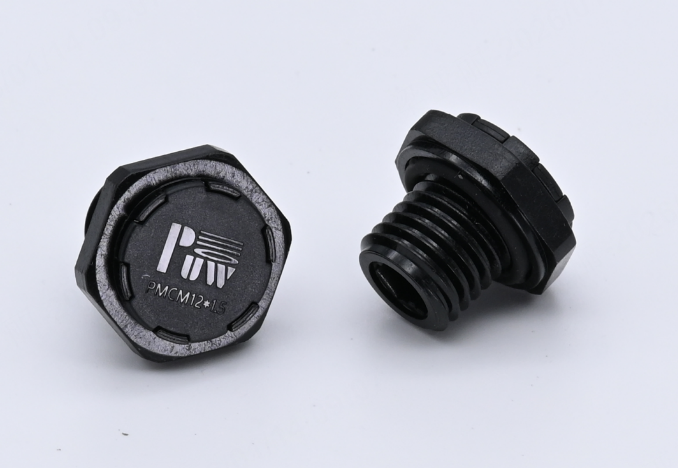
Modern electric vehicle (EV) battery enclosures require advanced thermal vent designs to ensure efficient battery performance and safety. As the demand for EVs grows, manufacturers must address critical buyer concerns such as temperature management, durability, and compliance with industry standards. This article explores the importance of thermal vent designs in EV battery enclosures, offering insights into selecting the right design, key specifications, installation guidelines, and common thermal management issues.
Understanding the Importance of Thermal Vent Designs in EV Battery Enclosures
Thermal vent designs are essential in EV battery enclosures to manage heat generated during operation. An effective thermal management system prevents overheating, which can lead to reduced battery life, performance degradation, or even catastrophic failures. As battery technology evolves, manufacturers must integrate thermal vents that balance airflow and structural integrity, ensuring the enclosure remains robust under varying environmental conditions.
The primary concerns for B2B buyers include ensuring that the thermal release valve design aligns with the battery's thermal performance specifications and understanding how the design can impact the overall safety and efficiency of the battery system. Furthermore, the right thermal vent can enhance the longevity of the battery by maintaining optimal operating temperatures, which is crucial for companies focused on sustainability and reducing maintenance costs.
How to Choose the Right Thermal Vent Design for Your EV Battery Needs
Choosing the right thermal vent design involves assessing several factors, including the specific application, environmental conditions, and battery chemistry. For instance, lithium-ion batteries typically generate substantial heat, necessitating a vent design that allows for effective heat dissipation without compromising the enclosure's waterproof or explosion-proof properties.
Buyers should evaluate the following aspects when selecting a thermal vent design:
Airflow Requirements: Determine the volume of airflow necessary to maintain optimal battery temperatures during various operational scenarios.
Material Compatibility: Ensure that the materials used for the thermal vents can withstand the battery's chemical environment and temperature fluctuations.
Size and Configuration: The size and placement of thermal vents should facilitate efficient airflow while fitting within the overall dimensions of the enclosure.
Regulatory Compliance: Verify that the thermal vent design meets any industry-specific regulations or certifications for safety and performance.
By carefully considering these factors, buyers can select thermal vent designs that enhance battery performance while aligning with their operational needs.
Key Specifications to Consider for EV Battery Enclosure Thermal Vents
When assessing thermal vent designs, buyers should focus on several key specifications that influence the effectiveness and reliability of the system:
Vent Size and Shape: The dimensions and configuration of the vent should optimize airflow while minimizing the intrusion into the enclosure's structural integrity. Typically, larger vents can facilitate better airflow but may compromise the enclosure's strength.
Material Properties: Common materials for thermal vent membrane include high-temperature plastics, metals, or composite materials. Each material offers distinct advantages, such as weight, corrosion resistance, and thermal conductivity. Buyers must select materials based on their specific thermal and chemical resistance needs.
Pressure Rating: The thermal vent should be able to withstand any internal pressure generated within the battery enclosure. Assessing the pressure rating helps ensure the vent can maintain its integrity under operational conditions.
Sealing and Protection: A well-designed thermal vent should prevent the ingress of moisture, dust, or contaminants while allowing for adequate airflow. Buyers should consider features such as filters or mesh screens that can enhance protection while maintaining airflow.
By understanding these specifications, buyers can make informed decisions that align with their manufacturing and operational requirements.
Installation Guidelines for Effective Thermal Vent Integration in EV Batteries
Integrating thermal vents into EV battery enclosures requires careful planning and execution to ensure optimal performance. Here are some best practices for installation:
Pre-Installation Assessment: Before installation, conduct a thorough assessment of the battery enclosure design to determine the optimal location for thermal vents. Factors such as proximity to heat-generating components and airflow pathways should be considered.
Use of Gaskets and Seals: Incorporate appropriate gaskets or seals around thermal vents to maintain the enclosure's waterproof and breathable properties. This step is crucial for preventing moisture ingress that could affect battery performance.
Testing and Validation: After installation, perform rigorous testing under simulated operational conditions to validate the effectiveness of the thermal vent design. This testing should include assessments of airflow, temperature management, and the enclosure's overall integrity.
Regular Maintenance Checks: Establish a maintenance schedule to inspect thermal vents for any signs of blockage, wear, or damage. Regular checks can help identify potential issues before they escalate, ensuring the battery operates efficiently.
By adhering to these guidelines, manufacturers can enhance the performance and reliability of EV battery enclosures, ultimately contributing to improved battery life and safety.
Common Problems with Thermal Management in EV Battery Enclosures and Solutions
Thermal management in EV battery enclosures can present various challenges that manufacturers must address. Some common issues include:
Insufficient Airflow: Poor airflow can lead to overheating, negatively impacting battery efficiency and safety. Solutions include optimizing vent placement and size or incorporating active cooling systems to enhance airflow.
Moisture Ingress: Moisture can compromise battery performance and safety. To mitigate this risk, ensure that thermal vehicle vent are designed with protective features such as filters or seals that prevent moisture ingress while allowing for adequate airflow.
Material Degradation: Exposure to high temperatures or battery chemicals can lead to the degradation of vent materials. Selecting high-quality, heat-resistant materials during the design phase can reduce this risk and enhance the longevity of the thermal vent.
Pressure Build-Up: Inadequate venting can cause pressure to build up within the enclosure, potentially leading to structural failure. Implementing a vent design that effectively balances pressure relief and airflow is vital for maintaining enclosure integrity.
By proactively addressing these common thermal management issues, manufacturers can enhance the reliability and performance of their EV battery enclosures, ultimately meeting buyer expectations and industry standards.
Table of Contents
- Understanding the Importance of Thermal Vent Designs in EV Battery Enclosures
- How to Choose the Right Thermal Vent Design for Your EV Battery Needs
- Key Specifications to Consider for EV Battery Enclosure Thermal Vents
- Installation Guidelines for Effective Thermal Vent Integration in EV Batteries
- Common Problems with Thermal Management in EV Battery Enclosures and Solutions

