 EN
EN

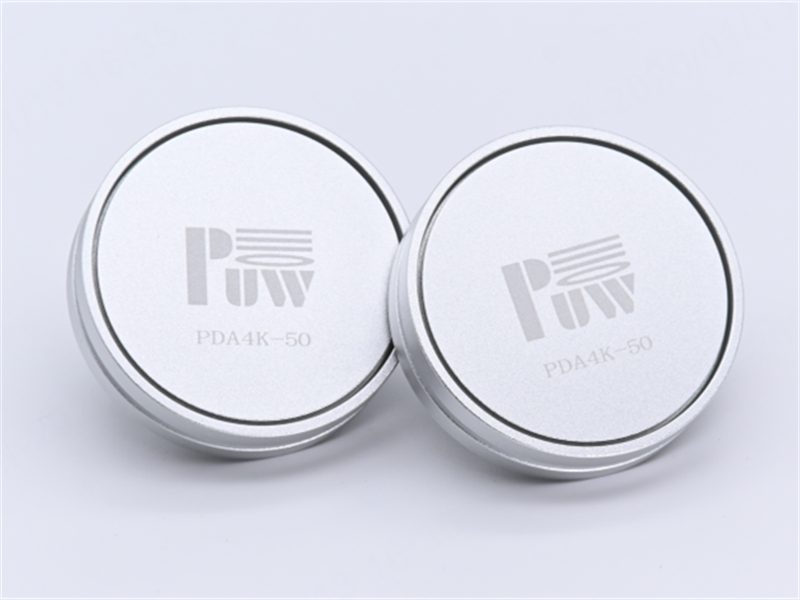
A Hazard and Operability (HAZOP) study is a structured risk assessment approach for identifying possible deviations from the design intent that might result in a safety incident. A HAZOP is not just a regulatory requirement, but an engineering exercise for an explosion-proof installation project. As a national high-tech enterprise since 2010, PUW understands that the correct HAZOP analysis directly impacts valve selection, placement, and integration. The explosion-proof valves are produced at two main production bases in Jiangxi and Guangdong provinces, with a combined area of approximately 40,000 square meters. PUW has utilized the HAZOP ideas to ensure the reliability of the products in harsh environments.
Critical Node Identification for Valve Placement
The first study node that needs to be considered for HAZOP is the location of the explosion-proof valves. They are usually found in battery pack cases, control boxes and outdoor electronic cases. Each node should be investigated for pressure build-up, thermal runaway and gas accumulation. PUW's engineering team collaborates with the project stakeholders to identify all sites in need of rapid pressure venting. As PUW has 22 production lines and four service centers in China and Germany, it can provide customized node specific configurations for valves according to HAZOP results.
Deviation Analysis and Pressure Venting Requirements
The pressure or flow deviations such as high or low pressure, high temperature, and blocked venting paths, are considered in HAZOP studies. The most critical failure in a battery cell is abnormal high internal pressure or the entry of explosive gases. Both scenarios are of major concern for explosion-proof valves. PUW's explosion-proof valves are designed to give IP68 protection and allow for quick pressure venting if excess pressure is reached. The HAZOP team needs to ensure that the valve cracking pressure, flow rate and valve resealing characteristics correspond to the worst case scenario from the study. Even a certified valve can be inadequate if this verification is not provided.
Material Compatibility and Environmental Factors
Material compatibility with the surrounding environment and internal media is another important HAZOP factor. Explosion-proof valves must resist corrosion, UV exposure, temperature extremes, and moisture. PUW's products are widely used in automotive electronics, outdoor LED fixtures, solar energy and sensors. Engineers should ensure during HAZOP reviews that valve materials are not subject to degradation in anticipated chemical exposures, or thermal cycling. In addition to having a CNAS-certified laboratory to back this process, PUW has over 200 patents in the membrane and valve technologies.
Protection Concepts and Certification Compliance
HAZOP shall also consider if the explosion-proof valve supports the overall protection concept of the enclosure. For instance, if the venting path of the valve permits flame propagation, explosion protection is not provided with an IP68 rating alone. PUW has been certified to ISO 9001 and IATF 16949 quality management systems and ISO 14001 environmental management systems. These certifications are just a minimum requirement, but it is still important to check test reports for flame arrestment, pressure shock resistance and endurance when considering HAZOP participants. PUW's research and development team works closely with customers for documentation to complete HAZOP close-out regularly.
Action Tracking and Post-Installation Verification
Last but by no means least, HAZOP cannot be done without the tracking of actions. Additional suggestions like redundant venting, swapping valve orientation, or increasing maintenance frequency should be assigned and verified. PUW's flexible supply chain and smart inventory system ensure that customers can put in place new valve specifications without prolonged delays. Once installed, explosion-proof valves are inspected regularly to prevent any debris, condensation or mechanical damage. PUW's professional customer service and strong partnerships with world-class businesses enable HAZOP project teams to close HAZOP actions efficiently and ensure long-term safety.
To summarize, the installation of explosion-proof valves within a HAZOP study requires careful attention to node definition, deviation analysis, materials selection, protection concepts and action follow-up. Through collaboration with PUW, companies gain a supplier well-versed in waterproof, breathable membranes; explosion-proof valves; waterproof, breathable valves; and fixtures. This ensures HAZOP results are put into practice to maintain field safety.

