 EN
EN

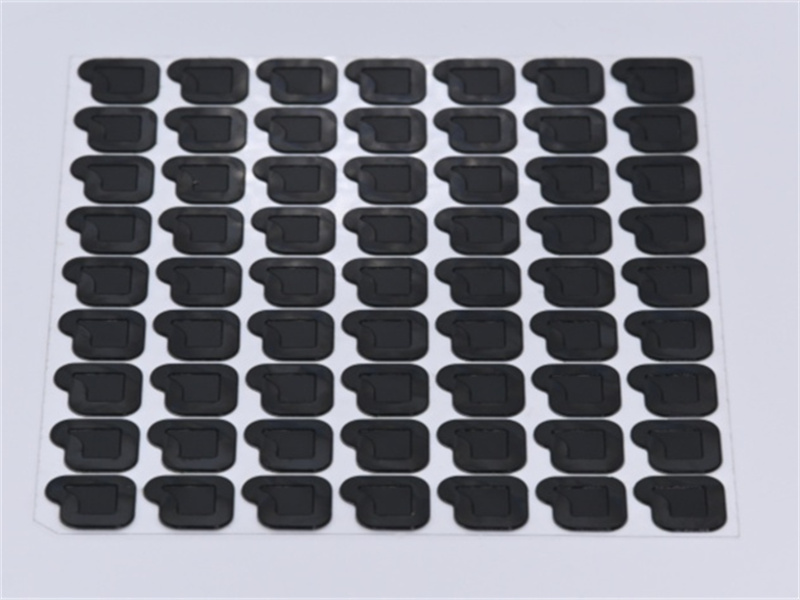
Two terms frequently come across in the minds of engineers and product designers when considering breathable membranes for sealed enclosures: air permeability and vapor permeability. They are similar but represent two very different physical actions. A knowledge of these differences is crucial for the selection of an appropriate solution to the membrane, particularly if pressure equalization and moisture management require a combined approach. A national high-tech company specializing in waterproof, breathable, and explosion-proof valves, PUW guides customers through these differences on a daily basis.
What Air Permeability Actually Measures
Air permeability is a measure of how fast air will move through a material under a specific pressure difference. It is directly related to the rate at which a membrane can equalize internal/external pressure in sealed enclosures. During operation, air inside the battery pack, outdoor LED fixture or electronic control box expands when the battery pack or the fixture is hot. If there is no way for this air to flow, pressure accumulates against the seals and housing walls. A membrane with a high degree of air permeability enables fast pressure venting which decreases the mechanical stress on gaskets and prevents seal failure. That's why explosion-proof valve designs focus on controlled airflow in addition to flame-retardant construction.
What Vapor Permeability Really Means
In contrast, vapor permeability refers to how well a material will allow water vapor to permeate it. It is not to do with bulk air motion but is to do with molecular diffusion of moisture. A membrane with a high vapor permeability allows the humidity inside an enclosure to permeate, so that it does not condense onto the sensitive electronics. This is a unit of measurement (g/m²/day) which depends on the pore structure and chemical composition of the membrane. Solar energy systems, telecommunication gear, and outdoor electronic equipment are sensitive to vapor permeability since temperature variations cause condensation within the equipment, which can lead to corrosion or short circuits in the systems.
Why the Two Properties Are Not Interchangeable
Many people assume that a membrane with high air permeability must also have high vapor permeability. In fact, the differences between the two can be quite large. There are materials that have high air permeability and low moisture permeability and materials which have good vapor permeability and low bulk air permeability. The difference is important because pressure equalization versus condensation control are different functions. A battery pack could very well need high-speed pressure venting during a thermal event and constant moisture venting during normal temperature cycling. PUW finds its solutions in precision waterproof, breathable membranes and valves with the perfect combination of IP68 protection and customized permeability properties.
How PUW Engineers Balance Both Requirements
PUW has two big production bases in Jiangxi and Guangdong provinces, with a total area of around 40,000 square meters. The company also operates four service centers in China and Germany. This infrastructure is used for 22 production lines specializing in customized solutions. The company's CNAS-certified laboratory and over 200 patents signify its dedication to the innovation of waterproof, breathable valve technology. Through pore size, membrane thickness and surface treatment optimization, PUW's research and development team is able to customize the air and vapor permeability of the membrane for particular applications. Products meet ISO 9001, IATF 16949 and ISO 14001 standards to assure uniformity in the automotive electronics, disk drive filters, portable electronics and pharmaceutical industries.
Practical Selection Guidance for Designers
Designers should first identify the principal risk in order to select a breathable membrane. If speed of pressure rise in thermal runaway or on changing altitude is the main concern, air permeability is the priority. When condensation is more threatening during daily temperature cycling, then the vapor permeability is more important. A balanced solution is appropriate in many instances. PUW's explosion-proof valves and waterproof, breathable membranes are designed to provide both properties without sacrificing IP68 sealing. A flexible supply chain, smart inventory systems and a professional customer service team enable timely delivery and maximum customer satisfaction for global partners with PUW.
The difference between air permeability and vapor permeability is not a mere academic game. It has a direct impact on the longevity, reliability and safety of products. With an experienced partner such as PUW, designers can ensure the membranes work well for many years in harsh environments while also adhering to strict safety standards.

